Water Damage Restoration Holly Springs, NC
24/7 water damage restoration in Holly Springs, NC. The restoration team extracts standing water, dries the structure to the IICRC S500 standard and documents every step for your insurance claim.
(888) 578-4720Water coming through the ceiling? Call now
What to do while the water is still moving
- 1
Close the valve
Shut the main or the fixture valve. In most homes here the main sits in the garage, a utility closet or the crawl space.
- 2
Cut power to wet rooms
Switch off breakers for wet areas if the panel is dry, and stay out of water near outlets and cords.
- 3
Take photos first
Photograph the water, the ceiling and the floors before anything is moved or thrown out.
- 4
Lift and call
Raise rugs, boxes and cords off the floor, then call so drying starts inside the 24 to 48 hour window.
Water Damage Restoration Services in Holly Springs, NC
Water and sewage only, grouped by where the water starts: inside the walls, overhead, or under and around the house.
Inside the walls and pipes
Supply pipes, tanks and machines that fail behind drywall and cabinets.
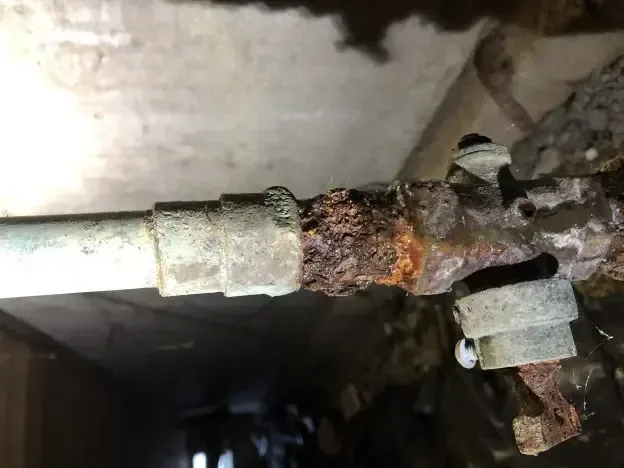 Burst Pipe Water DamageCPVC, PEX and polybutylene supply failures behind walls, extracted and the cavities dried.View service
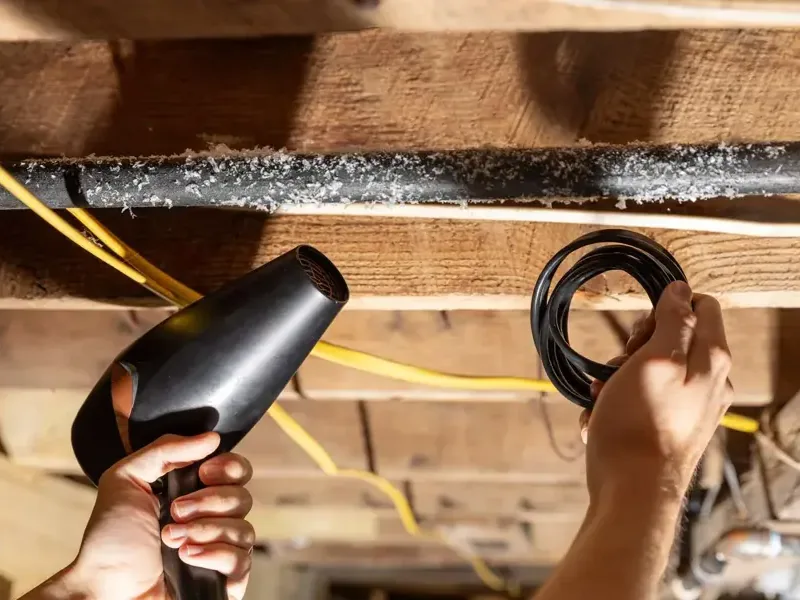 Frozen Pipe Water DamagePipes in attics, crawl spaces and garage walls that split in a hard freeze and leak on the thaw.View service
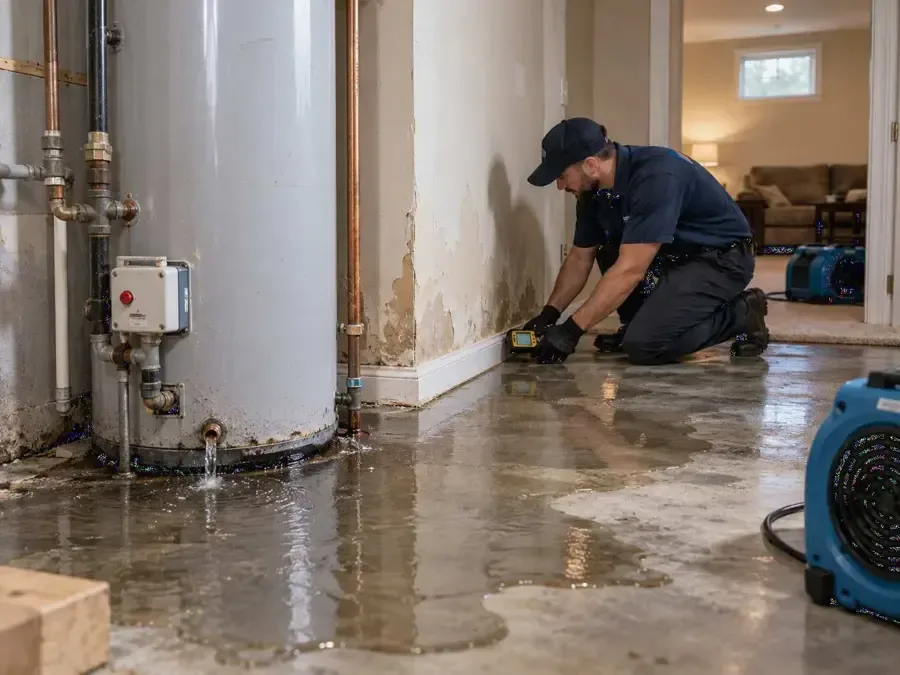 Water Heater Leak CleanupTanks in garages and attics that rust through or dump water from the relief valve.View service
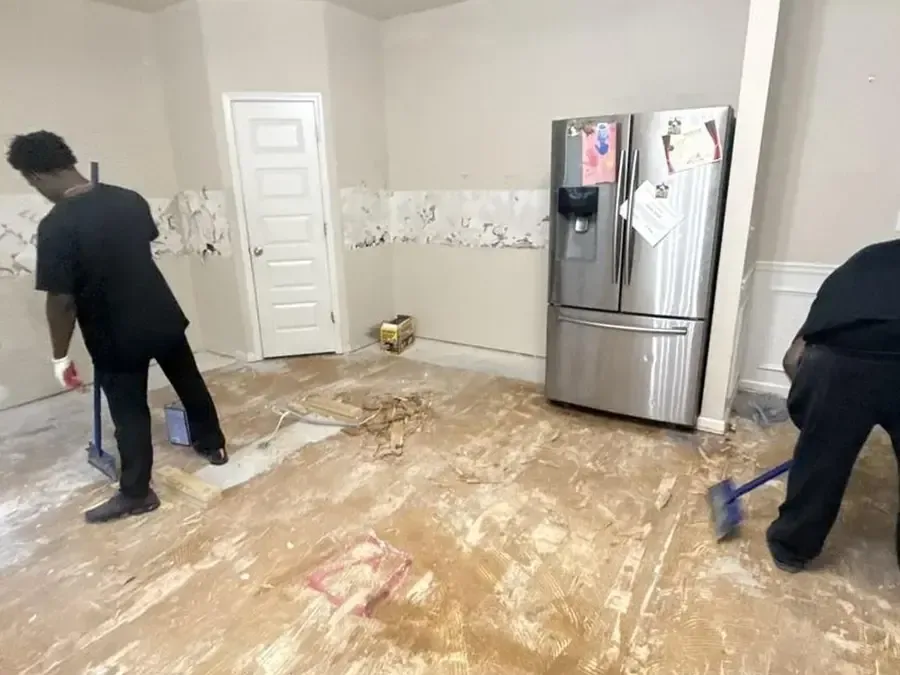 Washer and Appliance LeaksSecond-floor washers, dishwashers and ice maker tubes that soak floors and the ceiling below.View service
From the roof and the ceiling
Water that arrives from above: storms, upstairs plumbing and the attic air handler.
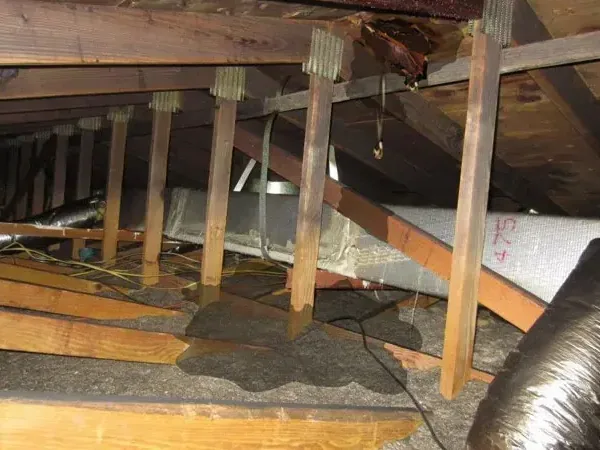 Roof Leak Water DamageWind-driven storm rain past shingles, flashing and vents, dried from the attic down.View service
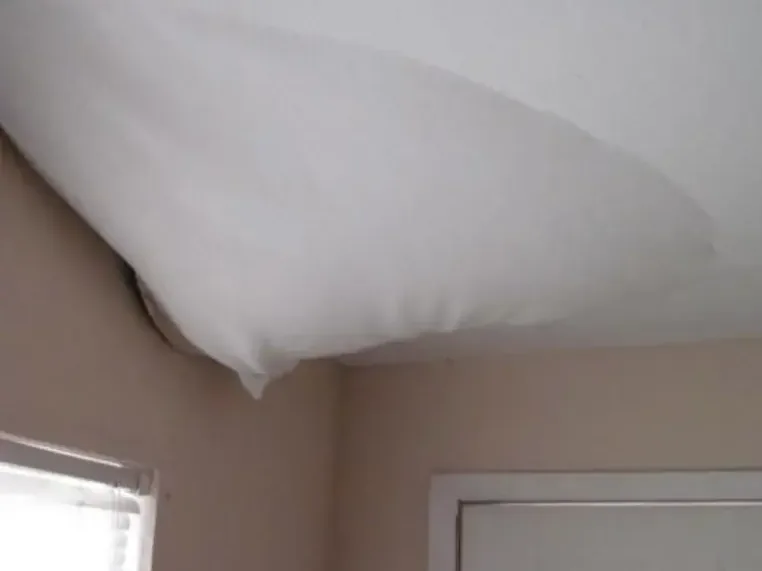 Ceiling Leak Water DamageUpstairs baths and supply pipes leaking into the ceiling, with the drywall opened safely.View service
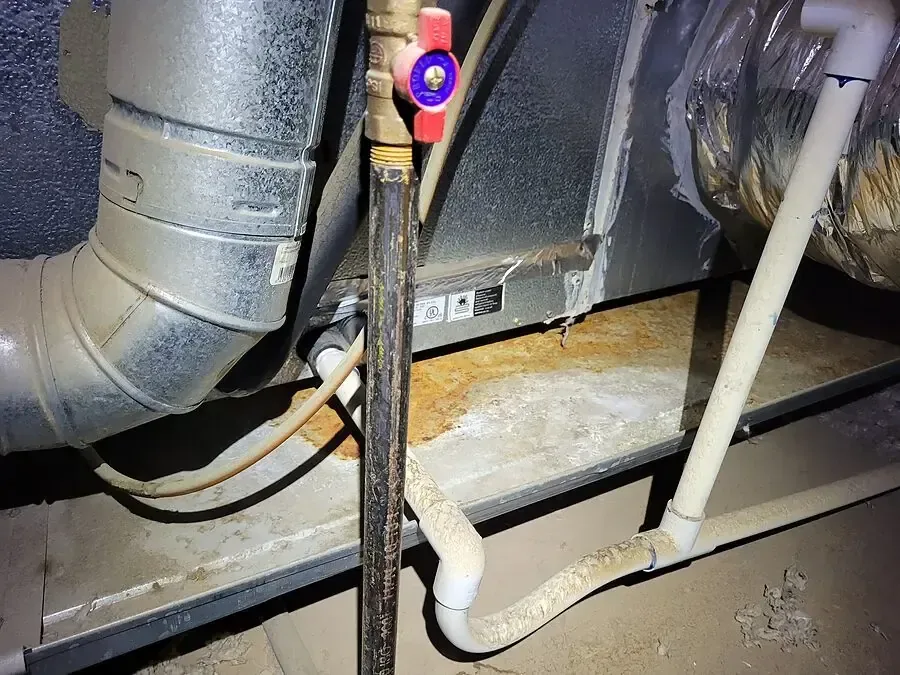 AC Condensate Leak Water DamageAttic air handlers whose condensate drains clog in July and overflow onto the ceiling.View service
Under and around the house
Red clay crawl spaces, storm water at the door and the sewer main.
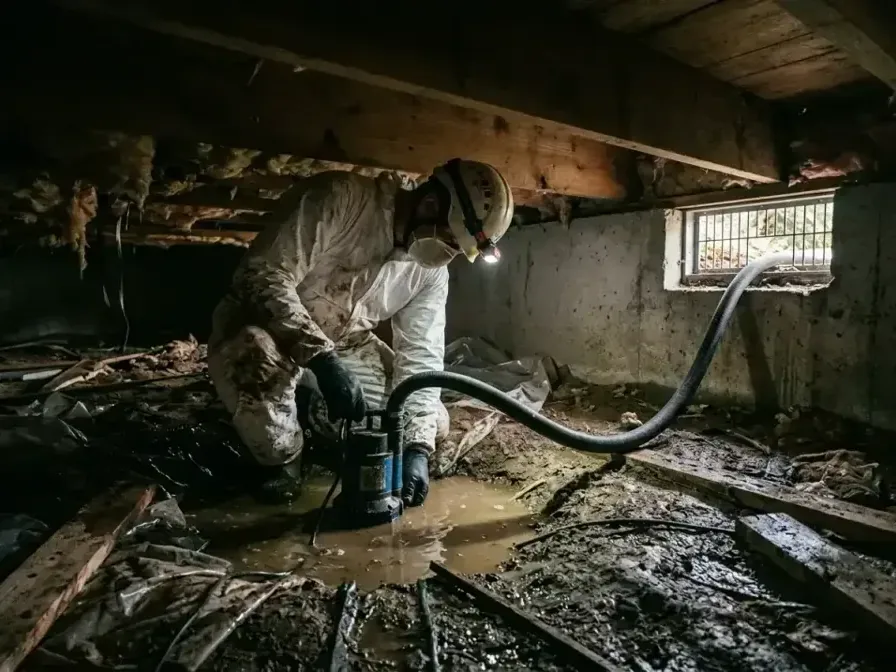 Crawl Space Water RemovalWater pooled on red clay under raised floors, pumped out, insulation pulled and joists dried.View service
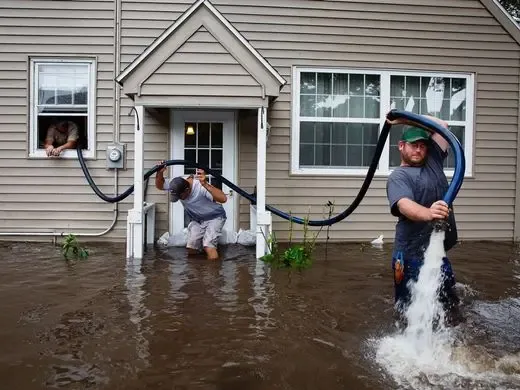 Storm and Flood Water CleanupTropical storm and cloudburst water through doors and garages, treated as Category 3.View service
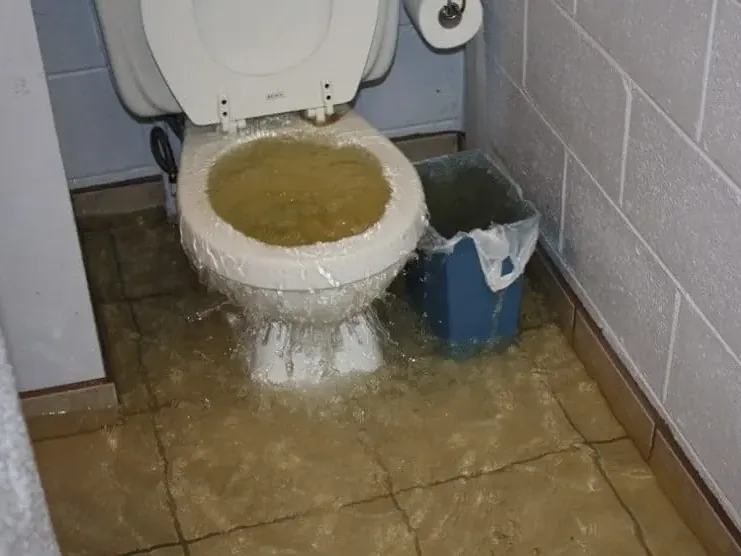 Sewage Backup CleanupToilet, tub and floor drain backups contained, removed and cleaned as black water.View service
Extraction, drying and commercial
The core of every job, for homes and for businesses.
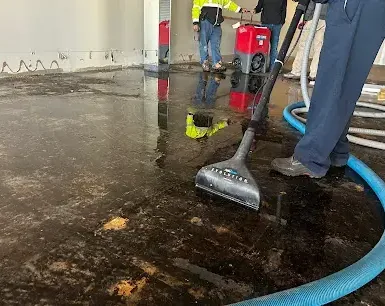 Water Extraction and RemovalTruck-mounted and portable extraction that pulls standing water before it wicks upward.View service
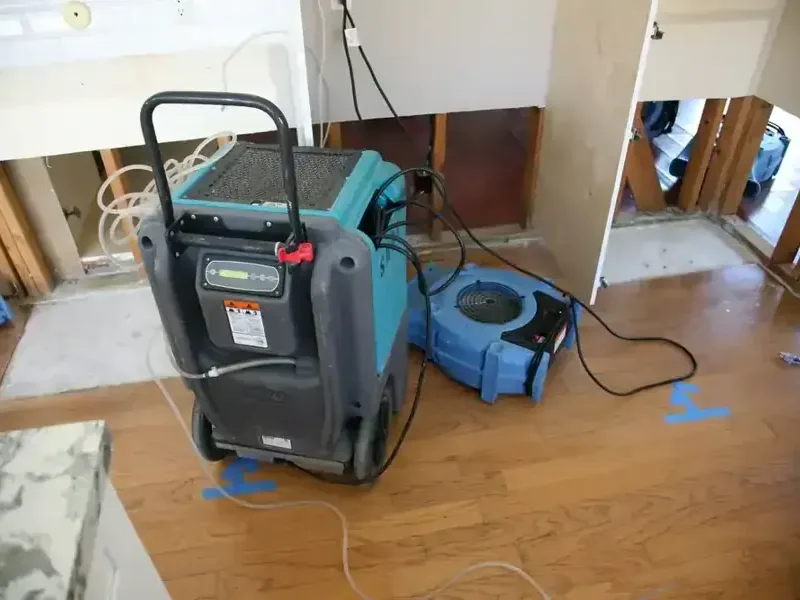 Structural Drying and DehumidificationFraming, subfloor, hardwood and slab dried to a reading, not to a calendar date.View service
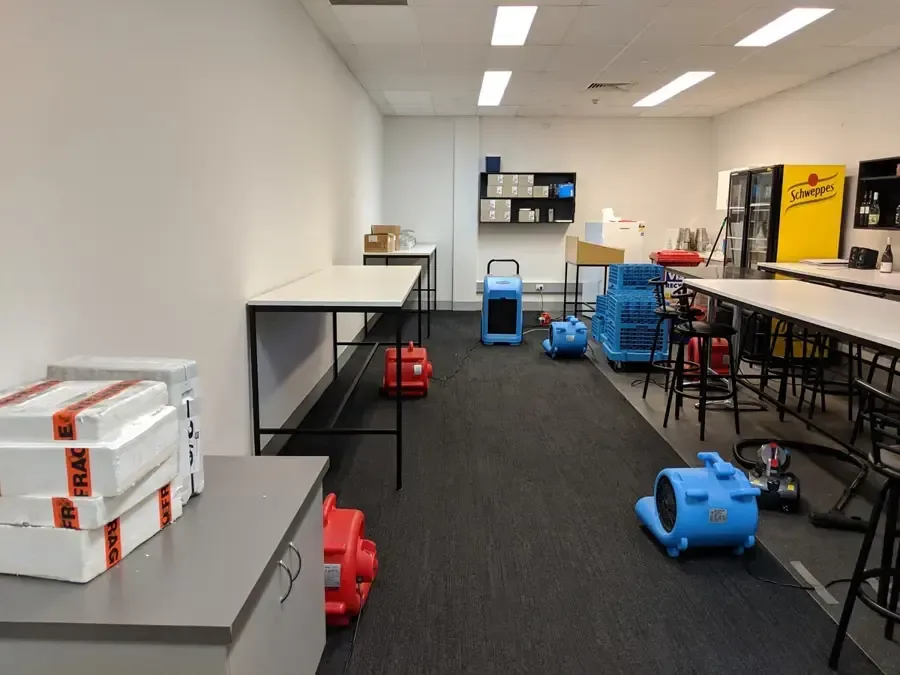 Commercial Water DamageShops, offices, schools and clinics along the main corridors dried in phases.View service
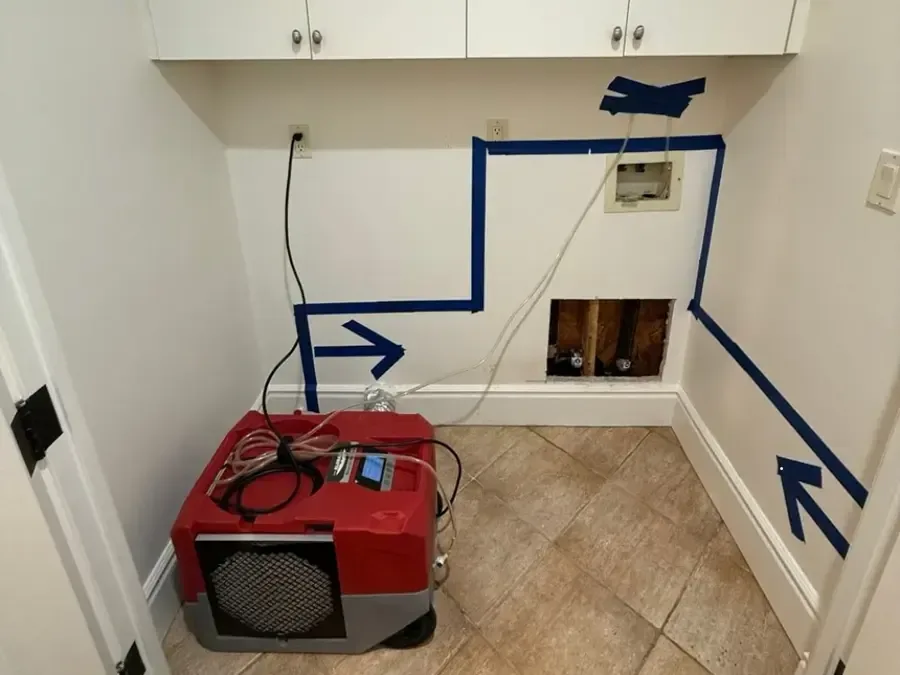
How a water loss is handled, from the first call to the last reading
Most homes in town went up after the mid-1990s: two stories, laundry upstairs, the air handler in the attic and a crawl space or slab underneath. A leak on the second floor reaches the kitchen ceiling, and a storm finds the crawl space.
The water damage restoration experts start every job the same way: find the source, map what is wet, pull the water, then dry the structure until the readings say it is done.
Rapid local response
The response team dispatches day and night, and active water is treated as urgent at any hour.
IICRC S500 drying standard
Structural drying, not just surface drying, sized to the class of the loss.
Claim-ready documentation
Moisture maps, daily logs and timestamped photos taken before any demolition.
Local water know-how
Crawl spaces on red clay, upstairs laundry rooms, attic AC units and hard freezes.
Water damage dried to the IICRC S500 standard
The order of the work is what separates a finished dry-out from a cosmetic one.
- 1
Map the moisture
The tech who does the walkthrough maps wet areas with thermal imaging and pinless meters before equipment goes down.
- 2
Pull the water
The extraction crew removes standing water with truck-mounted units, from the floors and from the crawl space.
- 3
Set the drying
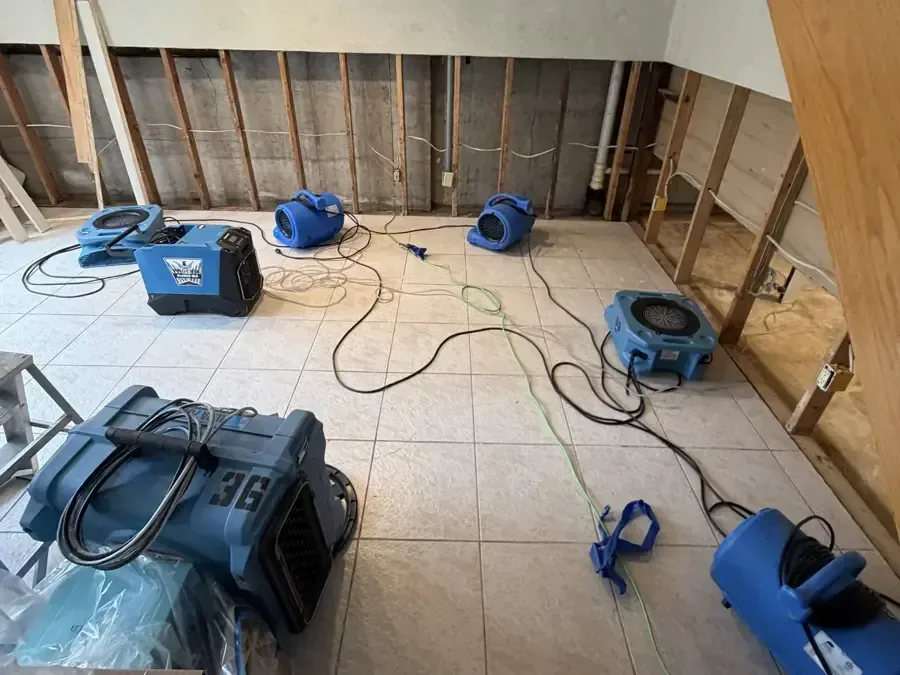
The drying team sizes air movers and LGR dehumidifiers to each room's evaporation load and runs them nonstop.
- 4
Read and verify
Readings go in the log every day until wet materials sit within 2 to 4 points of a dry reference.
The gear a real dry-out runs on
- Truck-mounted extraction pulls standing water out of the building fast.
- Thermal imaging and pinless meters find water behind walls and above ceilings.
- Air movers are set to each room's evaporation load, the crawl space included.
- LGR dehumidifiers pull moisture from humid Carolina air; desiccants handle Class 4 materials.
What does water damage restoration cost in Holly Springs, NC?
Water damage restoration here typically runs $1,000 to $12,000 or more, depending on the water category, how many rooms and floors the water reached, the materials involved and how quickly drying started.
Minor, one area
$1,000 to $3,000- Contained clean-water loss
- Extraction and drying in place
- Daily moisture readings
Moderate, two floors or a crawl space
$3,000 to $7,000- Upstairs leak into the ceiling below
- Drywall, pad or insulation removed
- LGR dehumidifiers and air movers
Major or contaminated
$7,000 to $12,000+- Sewage backup or storm water
- Containment and material removal
- Full structural drying
Try the water damage cost calculator for a closer planning range. A firm price comes from the restoration company after it sees the damage.
All water damage categories covered in Holly Springs, NC
Category 1, clean water
A burst or frozen supply pipe, a water heater or an ice maker tube. Extracted and dried in place before it sits long enough to turn dirty.
See water extractionCategory 2, gray water
Washer and dishwasher drains, AC condensate and toilet overflows without waste. Soaked pad and porous items get extra caution.
See washer and appliance leaksCategory 3, black water
Sewage backups and storm water that crossed the yard. Contained, porous materials removed, surfaces cleaned and treated, then dried.
See sewage backup cleanupDocumentation for your insurance claim
A water claim is decided on the file. A complete file from the restoration team carries:
- The moisture map from the first visit
- Daily psychrometric and moisture readings
- Timestamped photos taken before any demolition
- The category and class of the loss
- An itemized scope of the work
A sudden pipe burst is usually treated differently from storm water rising from outside, which typically needs a flood policy, and sewage backups often need their own endorsement. Coverage depends on your policy, so check with your own insurer.
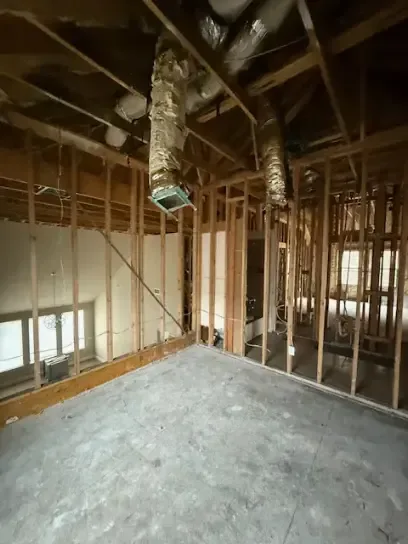
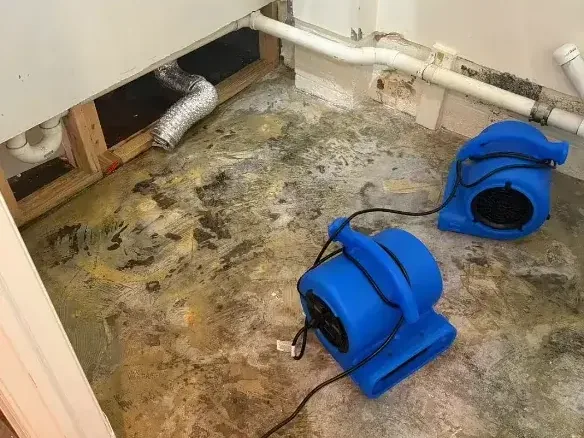
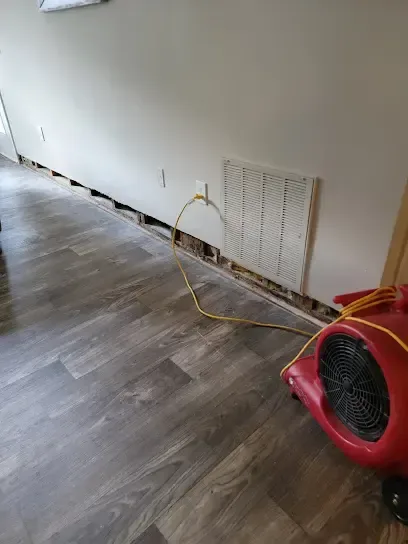
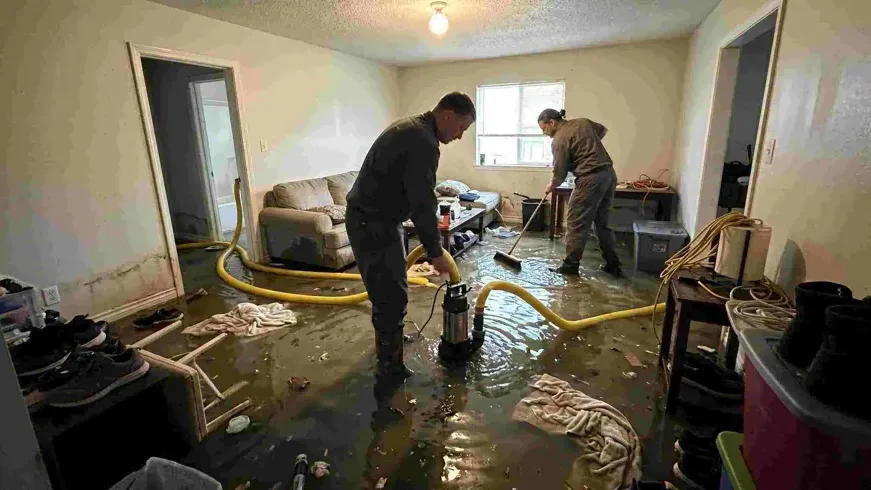
What a water damage dry-out looks like
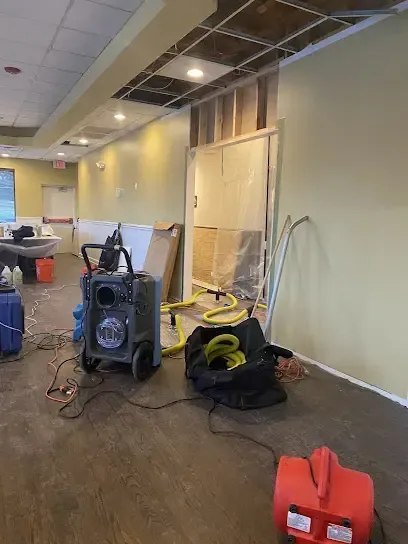
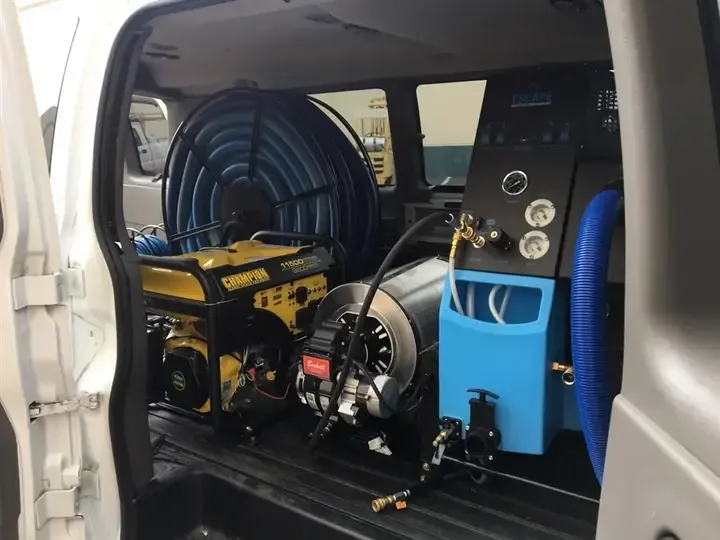
Water damage restoration across Holly Springs and southern Wake County
The restoration team covers every street in ZIP 27540 plus the nearby towns of southern Wake County, day and night.
ZIP code covered
Just over the town limit in Apex or Fuquay-Varina? Call and say where the water is. The whole area is covered around the clock.
Downtown and the older blocks
Golf and lake communities
Newer subdivisions
Main corridors
Nearby towns
One call reaches Holly Springs water damage pros, 24/7
The restoration crew handles extraction, crawl space and structural drying and claim documentation for homes and businesses across southern Wake County, day or night. Have the water source and the rooms it reached ready, because that decides what goes on the truck.
Water damage in Holly Springs, NC: the local risk profile
Newer two-story homes over slow-draining red clay, humid summers, tropical storm rain and the odd hard freeze.
Inside and under the house
- Many homes from the 1990s and 2000s run CPVC or PEX supply pipe, and some earlier subdivisions still have polybutylene, which tends to fail at the fittings.
- Upstairs laundry rooms and attic air handlers put washer hoses and condensate pans above finished ceilings.
- Dense Piedmont clay drains slowly, so water collects in crawl spaces after heavy rain and soaks insulation and joists.
Storms, freezes and humidity
- Tropical storms and hurricane remnants bring heavy rain in late summer and fall; Hurricane Fran in 1996 flooded and damaged much of Wake County.
- Low lots near Middle Creek, Utley Creek and Bass Lake take surface water first in a cloudburst.
- Hard freezes, such as the Christmas 2022 cold snap, split pipes in attics, garages and outside walls.
Water damage questions, answered
How fast can water damage help start?
The response team dispatches around the clock across town and southern Wake County, and active water is treated as urgent at any hour. Water keeps spreading while it sits, so the first call matters most.
What should I do first while the water is still spreading?
If it is safe, shut the water off at the main and cut power to wet rooms. Photograph the damage, lift rugs and boxes off the floor, then call so extraction can start.
Why do so many crawl spaces here get wet?
Much of the area sits on dense red clay that drains slowly. After heavy rain, water that runs toward the foundation pools on the clay under raised floors, and humid summer air keeps it from drying out on its own.
Why do second-floor leaks cause so much damage?
Many newer homes put the laundry room, the baths and the air handler upstairs. A failed washer hose or a clogged condensate drain sends water through the subfloor into the ceiling, walls and floors below.
Is water damage covered by insurance?
A sudden, accidental loss such as a burst supply pipe is commonly covered after the deductible. Storm water that rises from outside usually needs a flood policy, and sewage backups often need a separate endorsement. Coverage depends on your policy, so check with your own insurer.
How long does it take to dry a house?
A contained Class 1 loss usually dries in three to five days. Hardwood, subfloor over a crawl space and concrete take longer. Equipment comes out when readings on the wet materials are within 2 to 4 points of a dry reference, not on a set date.
What is the IICRC S500 standard?
IICRC S500 is the industry drying standard. It sets how a loss is classified by category and class and how the drying goal is proven with meters.
What is the difference between mitigation and repair?
Mitigation stops the damage from growing: extraction, removal of ruined materials and drying. Repair puts the home back with new drywall, paint and flooring once the structure is dry.
When does drywall have to come out?
Drywall comes out when it has broken down, when readings stay high after drying, or when Category 3 water such as sewage or storm water touched it. Drywall wet with clean water is often dried in place.
Why is a sewage backup handled differently?
Sewage is Category 3 the moment it backs up. The area is contained, porous materials it touched are removed instead of dried, and surfaces are cleaned and treated with an EPA-registered antimicrobial before drying.
How is the cost worked out?
The main drivers are the water category, how many rooms and floors the water reached, whether flooring, drywall or crawl space insulation must come out, and how long drying runs. Drying started early keeps a loss near the low end of the typical ranges.
Water spreading in your home? Start the dry-out now.
Every hour of standing water pushes it further into subfloor, drywall and the crawl space. The restoration crew extracts, dries and documents, day or night.