Water Extraction in Holly Springs, NC
Standing water does its worst damage in the first day. The extraction crew pulls it from floors, carpet and the crawl space with truck-mounted and portable units, then the drying team takes over.
(888) 578-4720Water standing on the floor? Call for extraction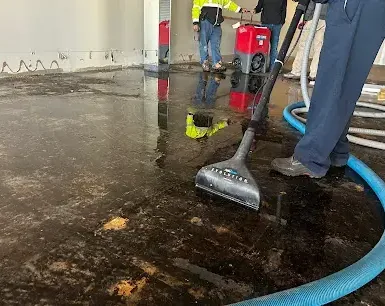
First steps for water extraction
- 1
Stop the source
Close the main or the fixture valve and keep it closed until the extraction crew arrives.
- 2
Kill power to wet rooms
Turn off breakers for the wet area if the panel is dry; never wade toward a live outlet.
- 3
Move what you can
Lift rugs, boxes and electronics off the floor and pin up drapes and furniture skirts.
- 4
Photograph everything
Take photos of the standing water and the rooms before anything is moved or thrown out.
Trade standards on this job
- Extraction comes before air movers, every time.
- Carpet pad is extracted with weighted tools or removed, never just surface-wanded.
- Category 3 water is extracted in protective gear with the area contained.
What does water extraction cost in Holly Springs, NC?
Water extraction here typically runs $800 to $5,500, depending on how much floor is wet, whether carpet and pad are involved, the water category and whether the crawl space needs pumping. Drying is usually priced alongside it.
One room, clean water
$800 to $2,000- Hard floor or carpet
- Truck-mounted extraction
- Moisture map
Several rooms or a floor
$2,000 to $4,000- Carpet and pad extraction
- Pad removal if needed
- Ceiling below checked
Whole level or crawl space
$4,000 to $5,500+- Submersible pumps
- Category 2 or 3 handling
- Hand-off to drying
Ranges are typical, not a quote: the water category, the square footage, the materials and how fast drying started move the number most. Try the water damage cost calculator for a closer planning range.
How water extraction is handled, start to finish
Measure first, remove the water, dry, then prove it dry with readings. The order does not change.
(888) 578-4720Start extraction before it wicks up- 1
Walk and map
Thermal imaging and meters show where the water went before the hoses come in.
- 2
Extract
Wands, weighted tools and pumps pull standing water out of the building.
- 3
Decide on materials
Pad, baseboards and soaked drywall stay or go by category and readings.
- 4
Set the drying
Air movers and LGR dehumidifiers go down the moment the water is out.
Extraction is the first and cheapest part of any water job. Every gallon pulled out as liquid is a gallon the dehumidifiers never have to pull from the air, which is why the extraction crew works before any air mover goes down.
What the extraction crew pulls out first
The crew starts where the water is deepest and works toward the exits, so nobody tracks water into dry rooms. On hard floors a squeegee wand and the truck-mounted vacuum clear most of it in one pass. Carpet gets a weighted extraction tool that presses water out of the pad, which removes far more than a surface wand.
- Hard floors: squeegee wands and truck-mounted vacuum
- Carpet and pad: weighted extraction, then a decision on the pad
- Crawl spaces: submersible pumps for water pooled on the clay
When an upstairs laundry or bath is the source, the crew also checks the ceiling below and the subfloor before calling the floor done.
Truck-mounted or portable?
Truck-mounted units have the most suction, and the hoses reach most homes from the driveway. Portable units go where hoses cannot: upper floors of townhomes, condos and long crawl space runs. Many jobs use both.
The source changes the job. Clean supply water is extracted and the materials are dried in place. Water from a sewage backup, or storm water that crossed the yard, is Category 3, so the crew wears protective gear and porous materials it touched come out instead of being dried. See sewage backup cleanup for that work.
After the water is out
Extraction ends when the wands stop pulling water, not when the floor looks dry. The tech who does the walkthrough then maps moisture in walls, cabinets and subfloor, and the drying team sets equipment for structural drying. For a rough number before anyone arrives, the water damage cost calculator gives a planning range.
Flood safety basics, such as staying clear of water near live outlets, are on Ready.gov's flood safety page, and the EPA WaterSense leak checks help catch slow leaks before they become standing water.
Water extraction across Holly Springs and nearby
The restoration team covers ZIP 27540 end to end: downtown and Main Street, Sunset Ridge, 12 Oaks, Holly Glen, Woodcreek, Arbor Creek and the homes along Avent Ferry Road, Sunset Lake Road and the NC 55 Bypass.
Nearby coverage reaches Apex, Fuquay-Varina, Cary, New Hill, Willow Spring, Garner, Morrisville.
Water Extraction and Removal: common questions
How long does water extraction take?
Most single-room jobs take two to four hours on site. A whole floor, a crawl space or Category 3 water takes longer, and drying continues for days after.
Can wet carpet be saved?
Often, when the water was clean and extraction started quickly. The pad under it soaks up more water and is often replaced. Carpet touched by sewage or storm water is removed.
Why not just use a shop vacuum?
A shop vacuum removes surface water but leaves most of it in the pad and the subfloor. Truck-mounted units and weighted tools pull far more water before drying begins.
Is it safe to stay in the house?
Usually yes with clean water, once power to wet rooms is off. With sewage or storm water, keep children and pets out of the affected rooms.
Does insurance pay for extraction?
Extraction is part of mitigation, which policies often cover for sudden losses. Coverage depends on your policy, so check with your own insurer.
What happens after extraction?
The drying team sets air movers and dehumidifiers and takes readings every day until the materials match a dry reference.
Standing water does not wait. Neither should the wands.
Every hour on the floor sends water further into pad, drywall and subfloor. The extraction crew pulls it out, 24/7.