Water Damage Restoration Sanford, NC
When a pipe fails, a creek rises or a storm finds the roof, the restoration team extracts the water, opens what stayed wet and dries it down to a reading for Sanford homes.
(888) 578-4720Water inside the house? Call the crew now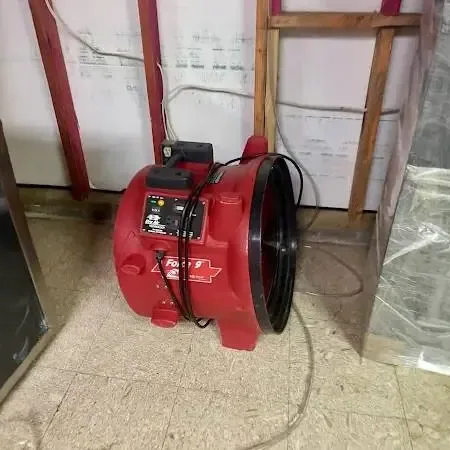
Four things to do before the drying starts
- 1
Stop the source
Shut the main valve or the appliance supply, and switch off power to any wet area before anyone steps in.
- 2
Protect what you can
Lift furniture legs onto foil or blocks, move rugs and paper off wet floors, and open closet doors so air can circulate.
- 3
Photograph first
Shoot wet rooms, ceilings and belongings before anything moves, and keep damaged items until the adjuster has seen them.
- 4
Raise a call
Call the response team with the water source, the rooms affected and whether power is still on, so the crew brings the right pumps.
Water loss from above, below and inside
From a split supply pipe to creek-fed flooding, every job starts with extraction and ends with a measured dry.
Leaks inside the walls
Supply pipe and appliance leaks that soak drywall, insulation and baseboards from within.
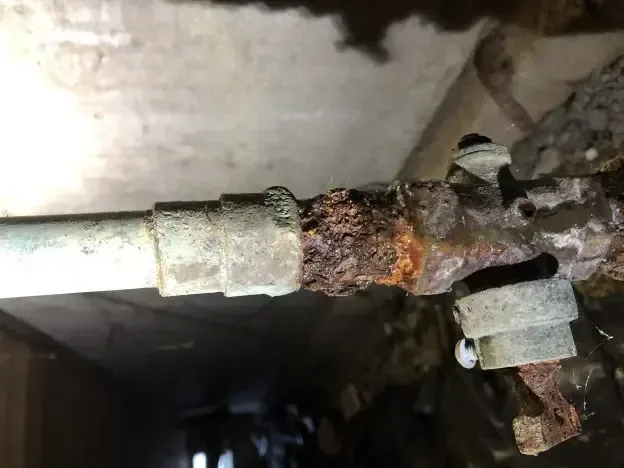 Burst Pipe Water DamageA split supply pipe floods quickly, so the water is extracted and the soaked walls are dried.View service
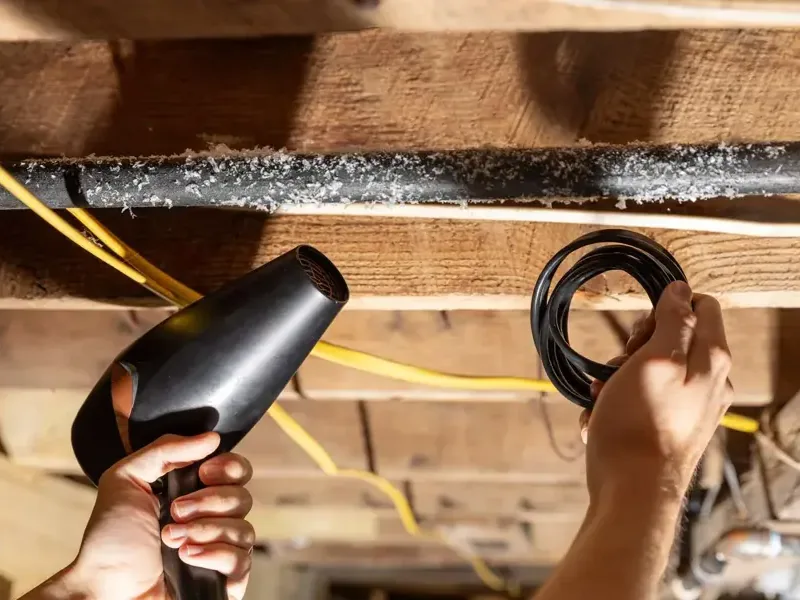 Frozen Pipe Water DamageIce splits a pipe, then the thaw floods the room; every exposed run is checked and dried.View service
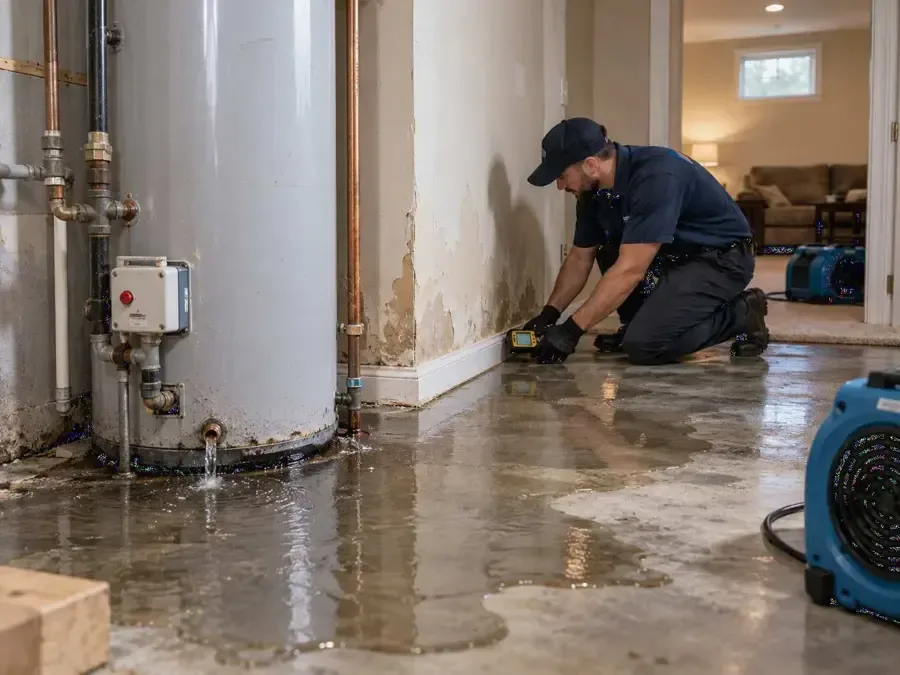 Water Heater Leak CleanupA failed tank empties onto the floor; the water comes out of carpet, slab and wall bottoms.View service
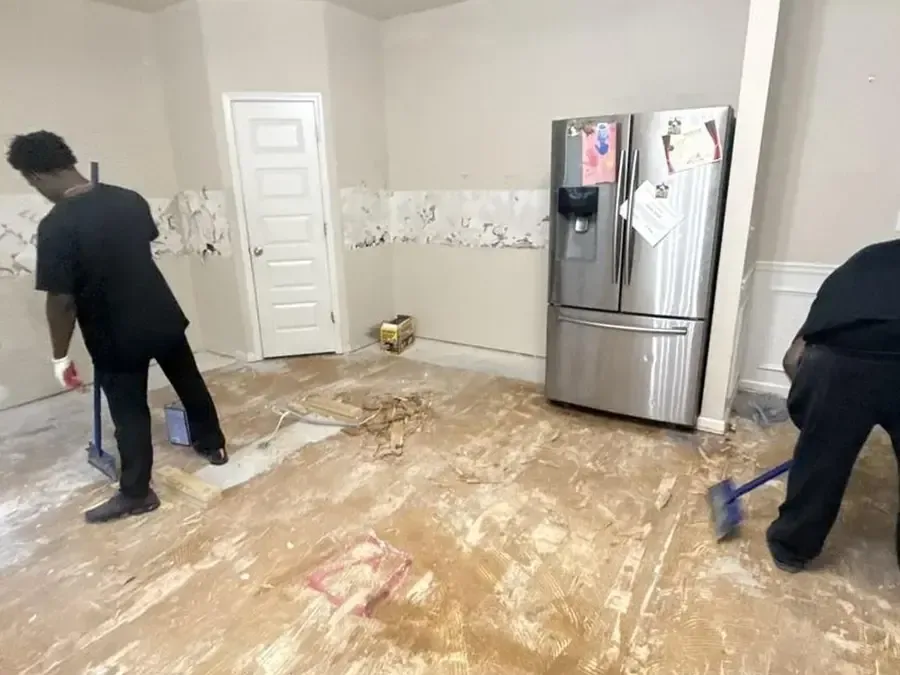 Washer and Appliance LeaksWasher, dishwasher and refrigerator leaks are dried from the cabinets to the ceiling below.View service
Water coming from above
Roof, ceiling and air conditioner leaks that spread through joist bays above the rooms.
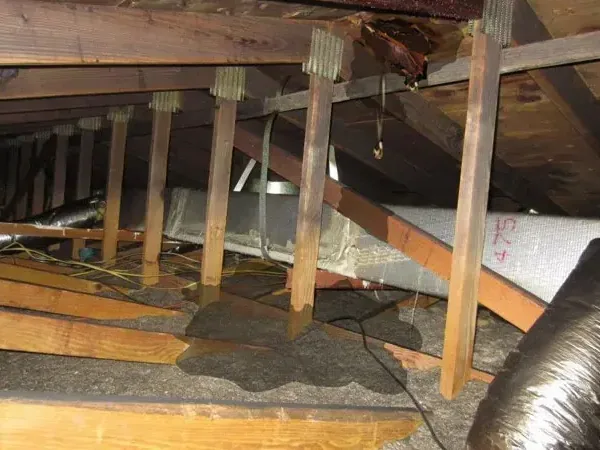 Roof Leak Water DamageRain that gets past the roof is traced down through insulation, drywall and framing.View service
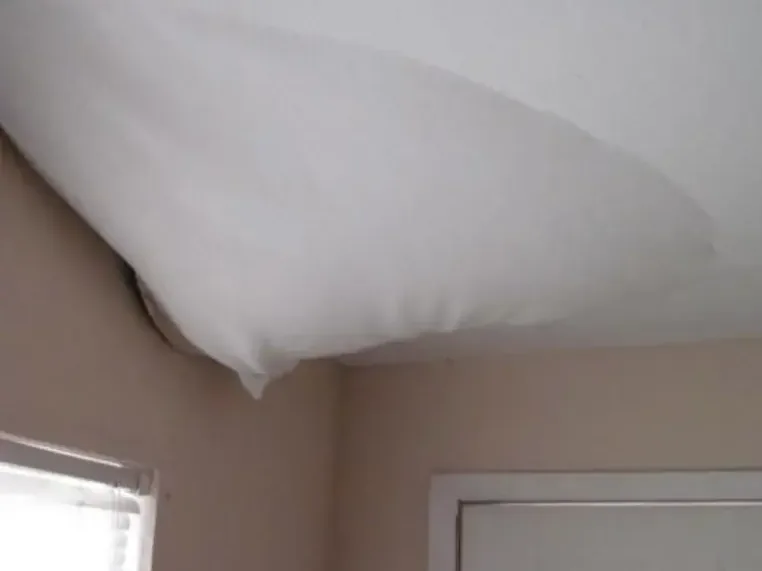 Ceiling Leak Water DamageA stained or sagging ceiling means water above, so the source is traced and the framing dried.View service
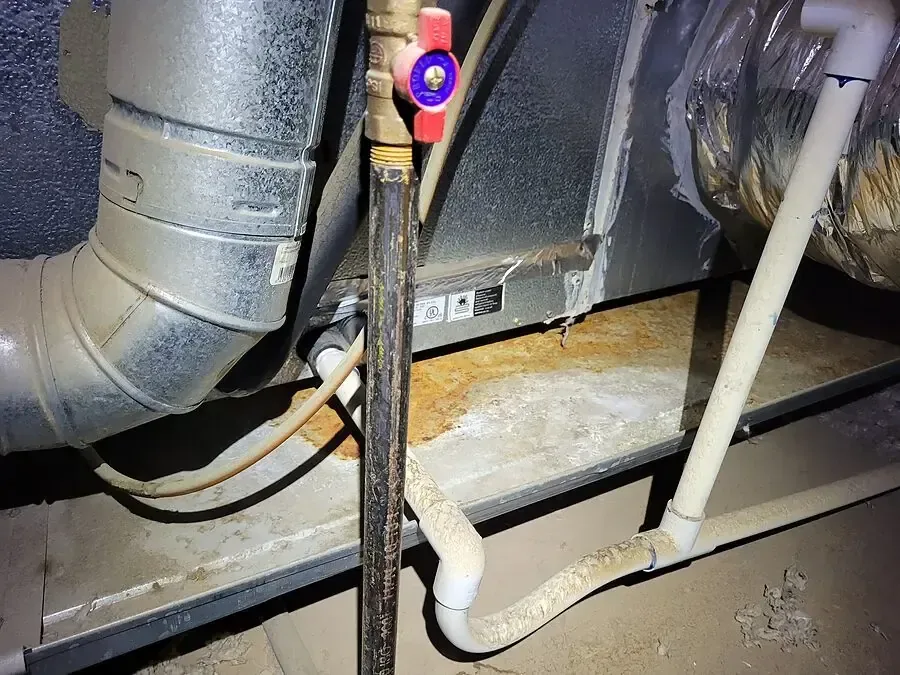 AC Condensate Leak Water DamageA clogged drain pan soaks the attic insulation and ceiling; both are dried once the drain is clear.View service
Water rising up from below
Crawl space pooling and sewer backups that come up from beneath the house.
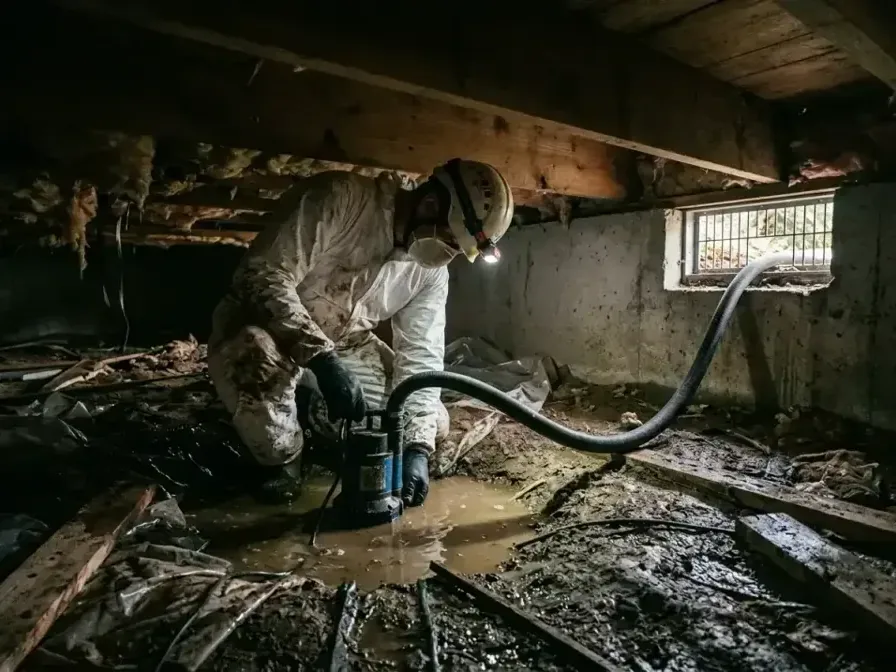 Crawl Space Water RemovalWater under the floor is pumped out and the joists and subfloor are dried.View service
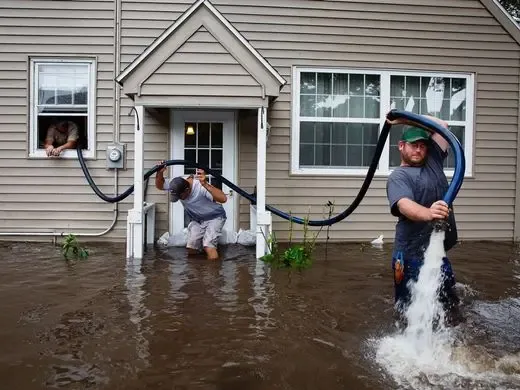 Storm and Flood Water CleanupCreek and storm water is pumped out, porous materials are removed and the structure is cleaned and dried.View service
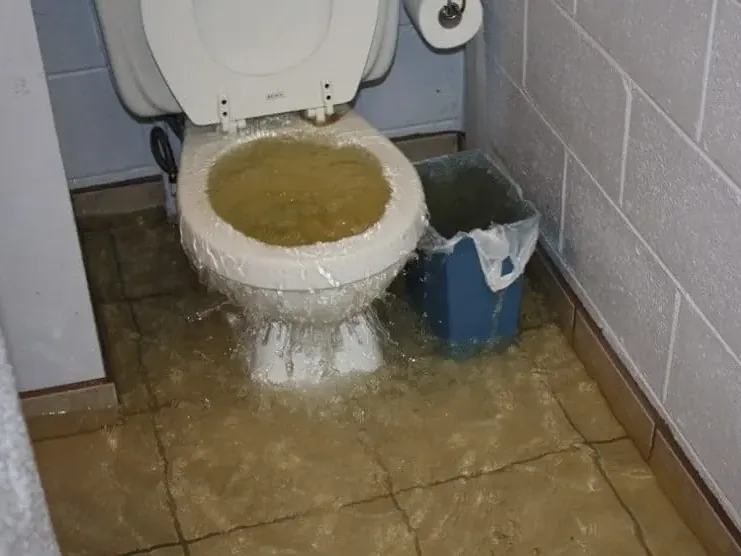 Sewage Backup CleanupContaminated backups are contained, removed, treated and dried under protective procedures.View service
Drying that finishes it
Air movers, dehumidifiers and daily readings that prove the structure is dry.
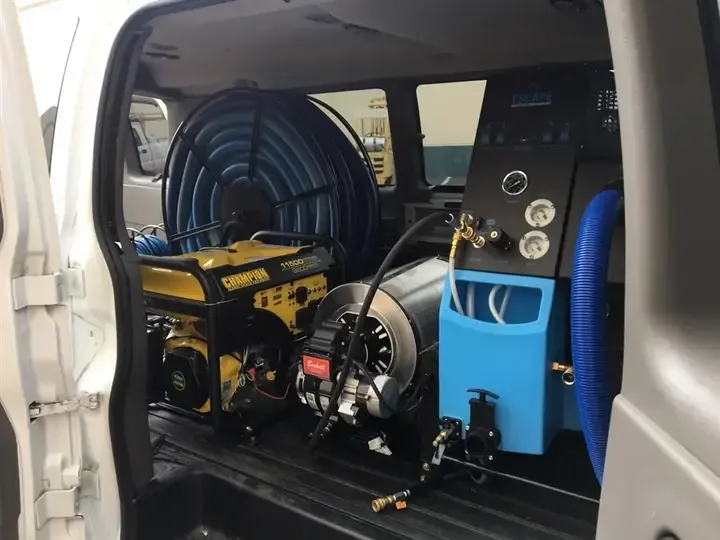
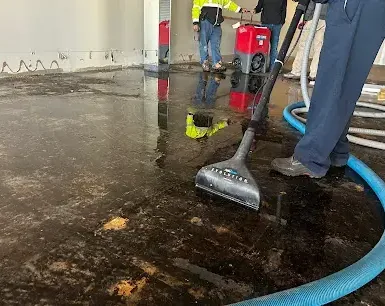 Water Extraction and RemovalTruck-mounted units and pumps lift standing water off floors before it soaks in.View service
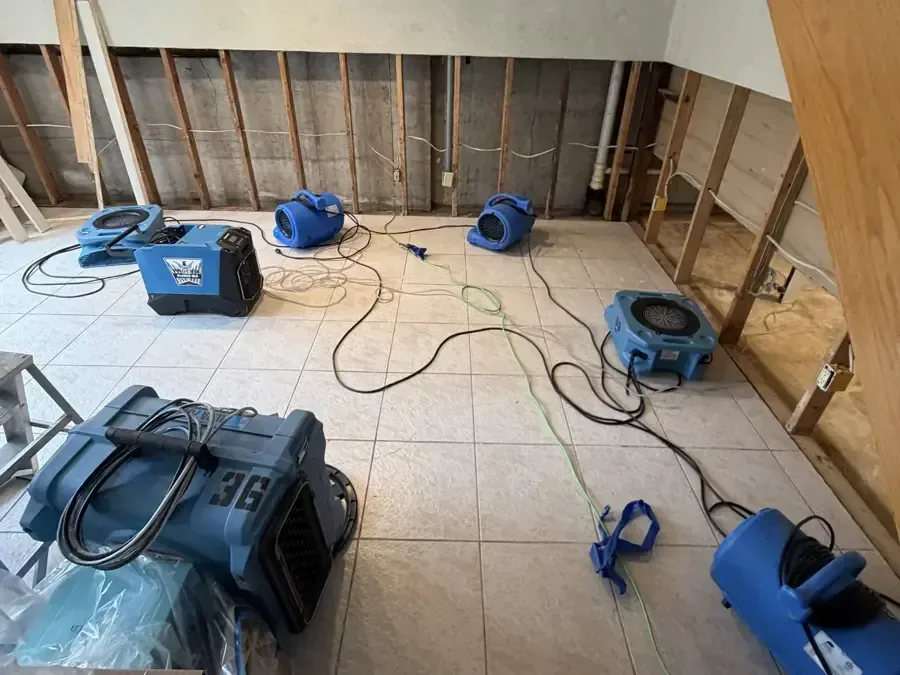
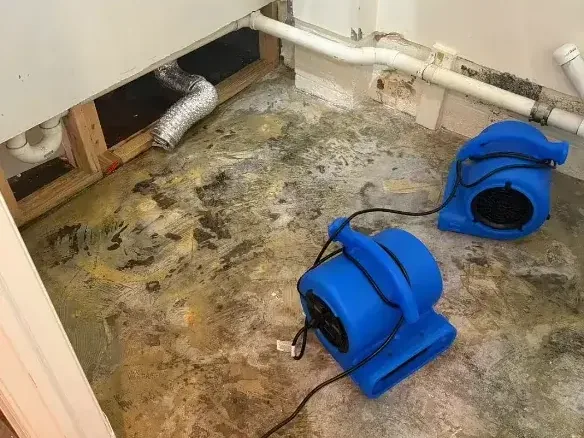
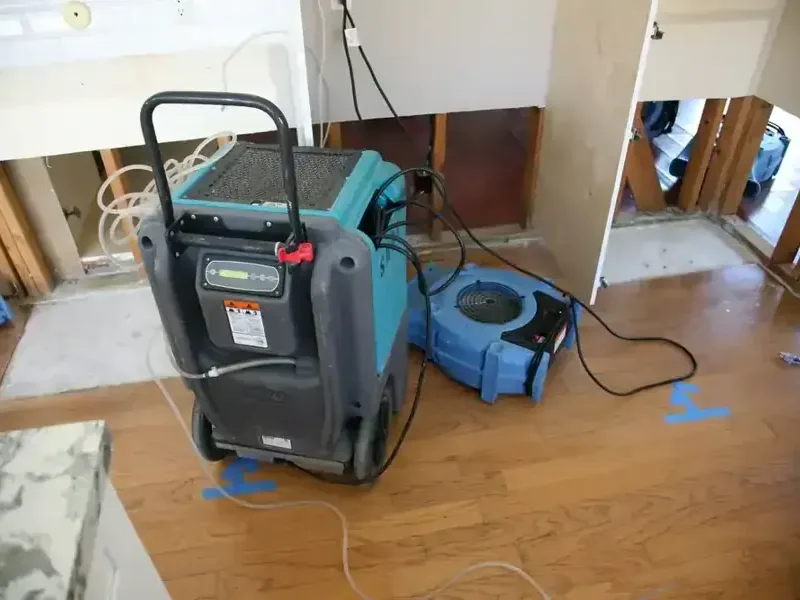 Structural Drying and DehumidificationDehumidifiers and air movers dry framing and floors until the readings reach target.View service
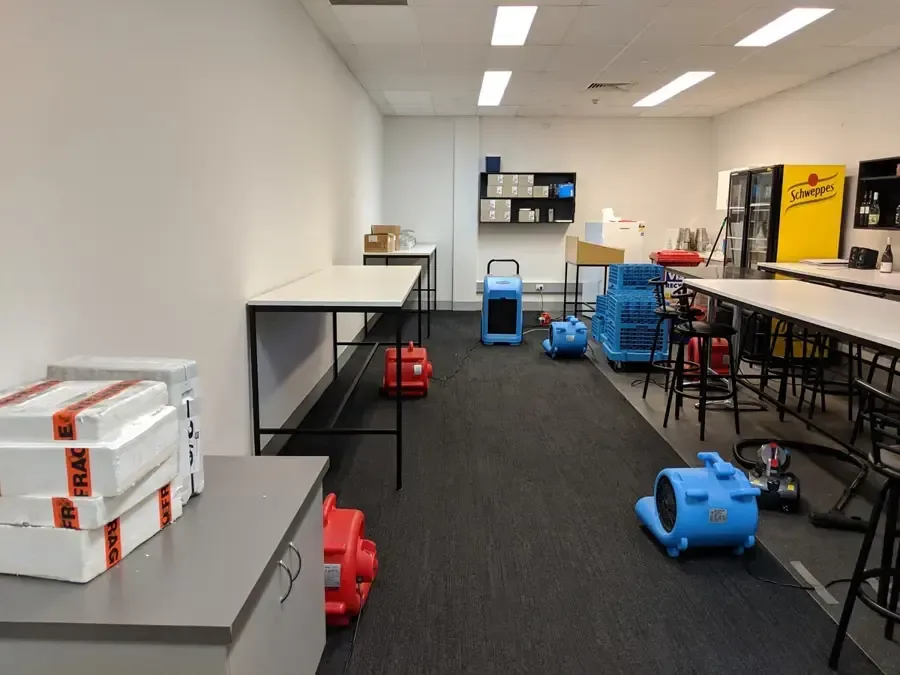 Commercial Water DamageShops and offices get phased drying that keeps the business moving where it can.View service
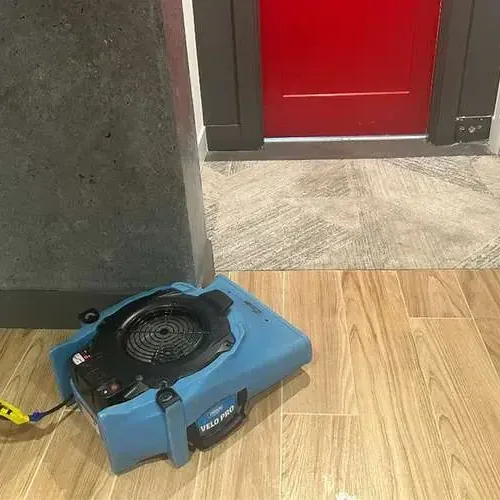
Water damage work built around Lee County creeks and storms
Water reaches homes here from several directions at once. Little Buffalo Creek flows north through the center of the city, Big Buffalo Creek runs through the west side and Lick Creek drains the east, so the restoration team begins each job by working out where the water came from and what it touched.
Pipe failures, roof openings and creek runoff all end the same way: extraction first, then drying until the readings say the framing is done.
Right gear first
The crew brings pumps and dryers matched to the size of the loss.
Readings, not guesses
Moisture meters and a thermal camera show which materials are still wet before and after drying.
Paperwork for adjusters
Photos, moisture logs and equipment records are kept so the claim file is complete.
Utility awareness
TriRiver Water runs water and sewer service for the city, so main breaks and backups go to the right place.
Dry means the numbers say so
Each job follows the same four steps, whether the water came from a pipe or the creek.
- 1
Measure first
Meters and a thermal camera map where the water traveled, so extraction and tear-out target only the wet materials.
- 2
Remove the water
Pumps and truck-mounted extractors lift standing water first, because every gallon removed is moisture the dehumidifiers never have to handle.
- 3
Run the drying
Air movers push dry air across wet surfaces while LGR dehumidifiers pull the released moisture out of the room.
- 4
Prove it dry
Readings continue each day until every wet material reaches its dry goal, and the log stays with the claim file.
Equipment on a typical job
- Truck-mounted extraction units that lift water from flooded floors and wet carpet
- Submersible pumps for crawl space, garage and storm water that stands deep
- LGR dehumidifiers and air movers matched to the room and the material
- Moisture meters and a thermal camera for the daily readings and the final check
What water damage cleanup usually costs here
Most jobs land between $1,000 and $12,000 or more, set by how much water there is, how long it sat, which rooms it reached and whether it was clean, gray or sewage water.
One room, caught early
$1,000 to $3,000- Standing water pulled out fast
- Floor dried right where it lies
- Meter readings logged each day
Several rooms or a ceiling
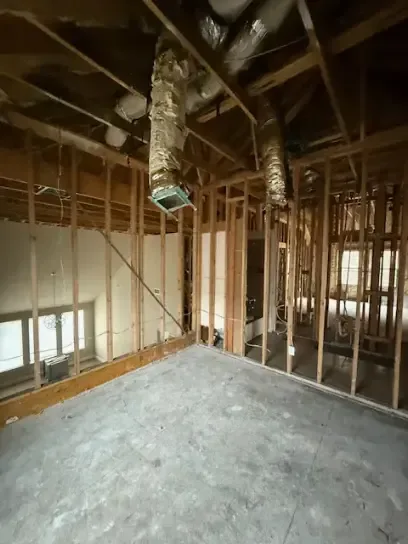
$3,000 to $7,000- Soaked drywall cut and removed
- Insulation and wet pad pulled
- Dehumidifiers running for days
Large or contaminated
$7,000 to $12,000+- Storm or sewer water present
- Containment and tear-out work
- Full structural drying plan
Ranges move with the water category, the rooms involved and how long drying runs, and the scope is set once moisture readings are taken.
Clean, gray and black water get different handling
Clean water
A supply pipe, a tank or an overflowing sink starts out clean, and prompt extraction with drying in place can often finish the job before anything has to be torn out.
Water extractionGray water
Washer, dishwasher and tub drainage carries soap and dirt, so carpet and pad that soaked up the water are usually removed rather than saved.
Appliance leak cleanupBlack water
Sewage backups and creek flooding carry bacteria, so porous materials are removed and the area is contained before the surfaces that stay are cleaned and treated.
Sewage backup cleanupRecords that support the claim
The drying team records each step as it goes, giving the adjuster a picture of cause and work.
- Dated photos of every wet room
- Moisture readings from the first visit
- The source of the water, noted
- Equipment placed and run dates
- A list of materials removed
Coverage depends on the policy and the cause of the loss. Sudden pipe and appliance leaks are commonly covered, while creek flooding usually needs a separate flood policy, so the homeowner should confirm details with the insurer.
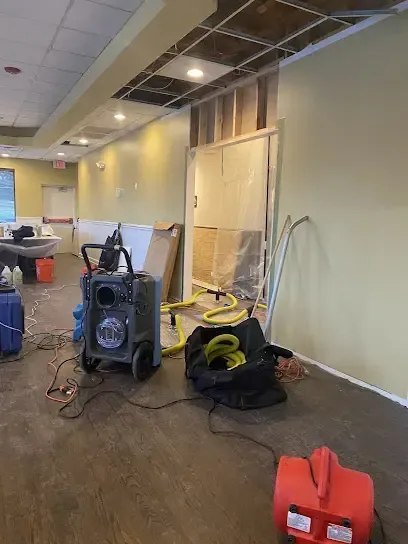
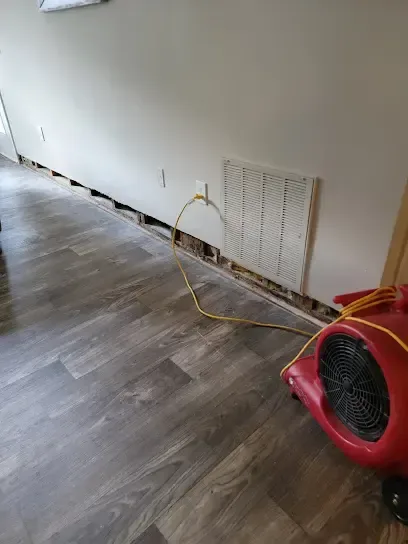
Drying equipment at work
Where the crew works across Sanford and Lee County
Water damage service reaches downtown, the surrounding neighborhoods and the main corridors that tie them together, plus nearby Lee County addresses.
ZIP codes covered
ZIP codes 27330, 27331 and 27332 cover the city, and the dispatcher confirms any address that falls outside them before the crew is sent.
Neighborhoods
More neighborhoods
Streets and corridors
Landmarks and campuses
Water damage in Sanford? Reach the response team
A burst pipe, a backed-up drain or storm water at the door can be reported to the response team any day and any hour. The dispatcher asks about the source, the rooms involved and whether power is still on.
How creeks, storms and pipes put water in Sanford homes
Water gets into homes here through failed pipes, heavy rain and creek runoff, and freezing weather adds one more way.
Inside and under the house
- A split supply pipe, failed tank or washer hose can soak a floor and the ceiling below before anyone sees it.
- Rooms over a crawl space can stay damp after the surface feels dry, so readings come from the floor system.
- Drains left unused for weeks can lose their trap water, which is why the city advises pouring water down them.
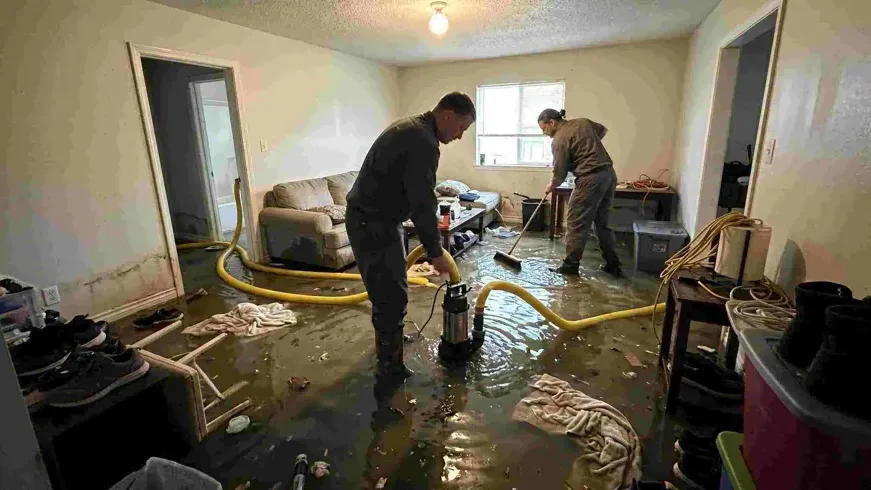
Storms, creeks and cold
- Flash flooding on June 5, 2025 brought up to 6 inches of rain to parts of Lee County and closed roughly a dozen streets.
- The same rain caused sewage overflows at four manholes, about 3,900 gallons of diluted wastewater that reached Little Buffalo Creek and Skunk Creek, TriRiver Water reported.
- Winter Storm Fern brought expected ice and freezing rain, and Winter Storm Gianna more than 5 inches of snow, in late January 2026.
Water damage questions answered
How quickly should water removal begin after a leak?
As soon as the source is stopped. Water moves into drywall, insulation and subfloor quickly, and wet framing can start growing mold within 24 to 48 hours, so extraction comes before anything else.
What should a homeowner do first when a pipe bursts?
Close the main water valve, switch off power to the wet rooms and photograph the damage. Then call the response team so pumps and dryers are matched to the size of the loss.
Does the service cover creek flooding and storm water?
Yes. Storm and creek water is treated as Category 3, so the crew pumps it out, removes porous materials and cleans the structure before drying begins. See storm and flood cleanup for the steps.
What happens when sewage backs up through a drain?
Stop using water, keep people and pets away and call. The team contains the area, removes contaminated porous materials and treats what remains. TriRiver Water runs the city's wastewater service, while sewage backup cleanup covers the work inside the house.
How long does structural drying take?
Most homes need several days of air movers and dehumidifiers, and thick framing, hardwood and contaminated water take longer. Readings taken each day decide when the equipment comes out.
Will homeowners insurance pay for the cleanup?
Sudden events such as a burst pipe or a failed appliance are commonly covered, while creek flooding usually needs a separate flood policy. The policy and the insurer decide, so coverage should be confirmed early.
Can the family stay home during drying?
Often yes, unless the water was contaminated or power is unsafe. The equipment is loud and warm, and the team explains which rooms stay usable while it runs.
Does rebuild work after tear-out need a permit?
It can. The City of Sanford and Lee County Inspections Division handles permits and inspections under the North Carolina Building Code, and building permit applications are made online through the CSS Portal.
What does the drying equipment actually do?
Air movers push dry air across wet surfaces, and LGR dehumidifiers remove the moisture those surfaces release. Together they pull water out of drywall, framing and flooring that extraction alone cannot reach.
Do businesses get the same service?
Yes. Shops, offices and storefronts get phased drying that keeps doors open where possible, described under commercial water damage.
What should be saved for the adjuster?
Dated photos, the damaged items until they are inspected, receipts for emergency purchases and the moisture log kept by the drying team. Together they show the cause, the extent and the work that was done.
Stop the spread now and start the dry-out
Pumps, air movers and dehumidifiers go to work as soon as the water source is stopped, and the readings decide when the job is done.