Sewage Backup Cleanup in Sanford, NC
Sewage carries bacteria into everything porous it touches. The mitigation team, working in protective gear, contains the area, removes contaminated materials and treats what stays before any drying begins.
(888) 578-4720Backup in the house? Call the crew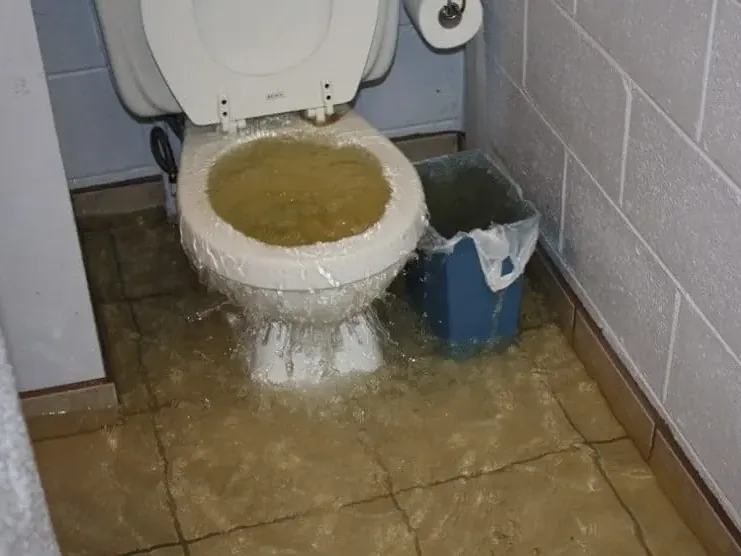
First steps for sewage backup cleanup
- 1
Stop using water
Do not flush, run taps or use the washer, since every drop adds to the backup.
- 2
Keep everyone out
Keep children, pets and anyone with health concerns out of the affected rooms.
- 3
Skip the mop
Mops and wet vacuums spread contamination and are hard to clean afterward.
- 4
Photograph and call
Record the backup from a safe distance, then call the mitigation team before touching anything.
Trade standards on this job
- The area is sealed off before anything is removed
- Contaminated porous materials are bagged and carried out
- Clearance readings confirm the space is clean and dry
What does sewage backup cleanup cost in Sanford, NC?
Sewage backup cleanup here usually costs $2,000 to $12,000+, depending on how many rooms were reached, how much flooring and drywall must be removed and whether the crawl space or a large area is involved.
One bathroom
$2,000 to $4,000- Containment set
- Flooring and baseboards removed
- Antimicrobial treatment
Several rooms
$4,000 to $8,000- Carpet, pad and drywall removed
- HEPA air scrubbers
- Structural drying
A large spread or crawl space
$8,000 to $12,000+- Crawl space cleanup
- Longer containment
- Clearance readings
Ranges are typical, not a quote: the water category, the square footage, the materials and how fast drying started move the number most. Try the water damage cost calculator for a closer planning range.
How sewage backup cleanup is handled, start to finish
Measure first, remove the water, dry, then prove it dry with readings. The order does not change.
(888) 578-4720Start the sanitizing cleanup- 1
Seal and protect
Barriers and air scrubbers keep contamination from reaching clean rooms.
- 2
Remove the waste
Contaminated carpet, pad, drywall and insulation are bagged and carried out.
- 3
Clean and treat
Hard surfaces and framing are cleaned and given an antimicrobial treatment.
- 4
Dry and clear
Dehumidifiers run until clearance readings confirm the space is ready.
Sewage is the one kind of water where drying is the last step, not the first. It carries bacteria, so the area is contained, contaminated materials are removed and surfaces are cleaned and treated before any equipment dries what remains. A backup is also a health matter, so people and pets stay out of the affected rooms.
Why backups happen
A backup can start with a clog in the pipe leaving the house or with a main sewer pipe that is overloaded. TriRiver Water runs wastewater service for the city, and in June 2025 heavy rain caused overflows at four manholes that released about 3,900 gallons of diluted wastewater into Little Buffalo Creek and Skunk Creek.
- A clog in the drain leaving the house pushes water up through the lowest fixture.
- Heavy rain can overload sewer pipes, as the June 2025 overflows showed.
- Broken pipe sections and roots can block the flow.
- Drains that sit unused can dry out their traps, so the city advises pouring water down them to keep sewer gas out.
How the cleanup runs
Containment barriers and air scrubbers keep contamination from spreading. Contaminated carpet, pad, drywall and insulation are removed and bagged, then hard surfaces and framing are cleaned and given an antimicrobial treatment. Only after that do air movers and dehumidifiers dry the structure.
Clearance readings confirm the area is clean and dry before the rebuild starts.
Yards, easements and the pipe
In January and February 2024 the City of Sanford Engineering Division had downtown sanitary sewer pipes surveyed and tested to find breaks and defects. Some sewer pipes and manholes sit along backyard easements, so inspection crews may need access to yards. Who handles the pipe repair depends on where the problem is found, while the cleanup inside is handled separately. When water also came up from below, see crawl space water removal, and for rain-driven losses see storm and flood cleanup.
Sewage backup cleanup across Sanford and nearby
Sewage cleanup covers the whole city, from downtown blocks near the Historic Sanford Depot to Jonesboro Heights, St. Andrews, East Sanford and the neighborhoods along US 1 and Steele Street, with the crawl space checked when water came up from below.
The same service nearby: sewage backup cleanup in Holly Springs, Apex, Morrisville.
Sewage Backup Cleanup: common questions
Is a sewage backup an emergency?
Yes. Sewage carries bacteria, so contaminated rooms should be avoided and the cleanup started promptly.
Why is sewage handled differently from clean water?
It is Category 3. Porous materials such as carpet, pad and drywall cannot be cleaned to a safe standard, so they are removed.
Can heavy rain cause a sewer backup?
Yes. Heavy rain can overload sewer pipes and push water back into a house. TriRiver Water reported overflows at four manholes in the June 2025 rain.
Who fixes the blocked pipe?
A plumber or the utility, depending on where the blockage is found. The restoration team handles the cleanup inside the house.
Does insurance cover a sewage backup?
Many standard policies exclude it unless a sewer backup endorsement was added. The policy decides, so check before cleanup starts.
Can a rarely used drain cause a smell?
Yes. A drain that sits unused can dry out its trap, which lets sewer gas rise, and pouring water down it refills the trap.
Sewage in the house?
Sewage spreads bacteria into every porous surface it touches. The mitigation team seals the area, removes what is contaminated and treats the rest before drying.