Storm and Flood Water Cleanup in Sanford, NC
Flood water carries creek runoff and soil into floors and walls, so it is treated as contaminated from the start. The mitigation team pumps it out, removes what cannot be saved and dries the rest.
(888) 578-4720Storm water inside? Call the crew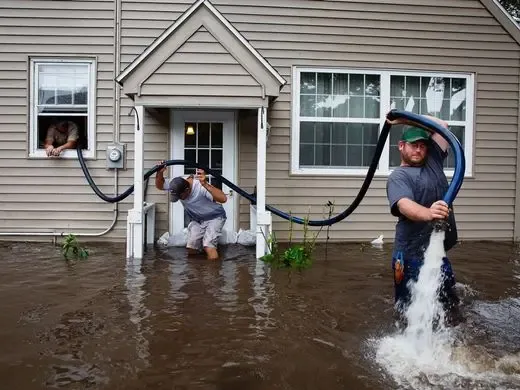
First steps for storm and flood water cleanup
- 1
Stay out of the water
Flood water can hide sharp debris and electrical hazards, so keep out until power is confirmed off.
- 2
Cut the power
Switch off the main breaker if it can be reached safely and dry; otherwise wait for an electrician.
- 3
Keep people clear
Keep children, pets and anyone with health issues away from the contaminated area.
- 4
Document before cleanup
Photograph the waterline and damaged belongings, and keep samples for the adjuster.
Trade standards on this job
- Creek and runoff water is handled as Category 3 from the start
- Porous materials come out instead of being dried
- Cleaned and treated before any drying starts
What does storm and flood water cleanup cost in Sanford, NC?
Storm and flood cleanup here typically costs $3,000 to $20,000+, depending on how deep the water got, how many rooms and floors it reached, how long it stood and how much has to be removed.
A garage or one room
$3,000 to $6,000- Water pumped out
- Lower walls cut open
- Antimicrobial treatment
Several rooms affected
$6,000 to $12,000- Flooring and pad removed
- Wall cavities opened
- Containment barriers
The whole first floor
$12,000 to $20,000+- Full Category 3 removal
- Desiccant drying
- Longer monitoring
Ranges are typical, not a quote: the water category, the square footage, the materials and how fast drying started move the number most. Try the water damage cost calculator for a closer planning range.
How storm and flood water cleanup is handled, start to finish
Measure first, remove the water, dry, then prove it dry with readings. The order does not change.
(888) 578-4720Begin the clean-out- 1
Pump and remove
Pumps and extractors clear the water, then porous materials are carried out.
- 2
Open and clean
Flood cuts open the walls, and surfaces and framing are cleaned and treated.
- 3
Dry the structure
Air movers and dehumidifiers run, with desiccant units added if needed.
- 4
Confirm and record
Readings and photos are logged for the adjuster.
Flood water is not clean water. It picks up soil, creek runoff and whatever sits on the ground before it enters a building, so the cleanup removes porous materials instead of drying them and treats the surfaces that stay. Speed matters because contaminated water keeps soaking in.
What June 2025 showed
On June 5, 2025, flash flooding along Little Buffalo Creek brought a water rescue between McIver and Jenkins streets, closed roughly a dozen streets for a time and shut some downtown businesses for the day. After the flood, renderings were shown for a Green Restoration Project that would return the creek to its natural path to help absorb water downtown.
How the cleanup runs
Standing water comes out first, as described under water extraction. Carpet, pad, insulation and soaked drywall are removed, and hard surfaces and framing are cleaned and treated before air movers and dehumidifiers begin the drying.
- Containment keeps the affected rooms separate from the rest of the house.
- Soaked carpet and pad are removed, never dried and saved.
- Flood cuts open wall cavities so insulation can be removed.
- Hard surfaces and framing are cleaned and treated before drying.
Before the rebuild
Wet materials come out before the rebuild starts, and the readings show when the structure is ready. Rebuild work may need a building permit, and applications are made online through the CSS Portal. Flood coverage usually comes from a separate flood policy, so the adjuster should see the damage before it is hauled away.
The drying itself follows the structural drying plan, and a sewage component is handled under sewage backup cleanup.
Storm and flood water cleanup across Sanford and nearby
Flood cleanup covers the whole city, from the downtown blocks along Little Buffalo Creek to the west side near Big Buffalo Creek and the east side toward Lick Creek, plus Jonesboro Heights and St. Andrews.
The same service nearby: storm and flood water cleanup in Holly Springs, Apex, Morrisville.
Storm and Flood Water Cleanup: common questions
Is flood water considered contaminated?
Yes. Water from a creek or the ground carries soil and bacteria, so it is treated as Category 3 even if it looks fairly clear.
Can carpet be saved after a flood?
Usually not. Carpet and pad that sat in flood water are removed, because they cannot be cleaned to a safe standard.
When is it safe to go back inside?
After power is confirmed safe and the affected area is contained. Keep children and pets out until the cleanup is finished.
How long does flood drying take?
Several days or more once the wet materials are out. Dehumidifiers and air movers run until readings reach the dry goal.
Does insurance cover flood damage?
Standard homeowners policies usually exclude rising water, so a separate flood policy often applies. Check with the insurer before cleanup starts so the damage can be documented.
Are permits needed for flood repairs?
Rebuild work can need a building permit, which is handled by the City of Sanford and Lee County Inspections Division through the CSS Portal.
Creek water came inside?
Flood water keeps soaking into porous materials until it is removed. The mitigation team pumps, cleans and dries the structure, then logs the readings for the claim.