Water Damage Restoration Chapel Hill, NC
A burst pipe, a failed water heater or a high creek can put water into a Chapel Hill home or shop. The drying team removes it, opens what stays wet and logs readings until dry.
(888) 578-4720Start with a call to the drying team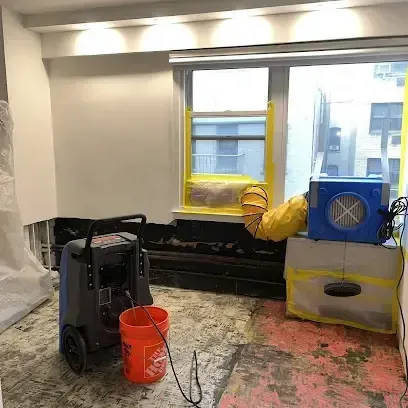
What to do while the water is still spreading
- 1
Stop the source
Close the main valve or the fixture stop. If a pipe is still pouring, finding that valve comes before anything else.
- 2
Cut power nearby
Switch off the breakers serving wet rooms, and stay clear of outlets, cords and any ceiling that sags or drips.
- 3
Record the damage
Photograph standing water, wet walls and ruined contents, and note when it started. Adjusters read those pictures first.
- 4
Lift and call
Raise furniture, rugs and boxes off wet floors, then phone the restoration team before the carpet and drywall give up.
Water loss work for homes and shops
From a cracked supply tube to a creek-fed flood, each job starts with the source and ends with a dry, documented structure.
Inside the walls
Supply pipes, drains and appliance hookups can leak where nobody sees it until paint bubbles.
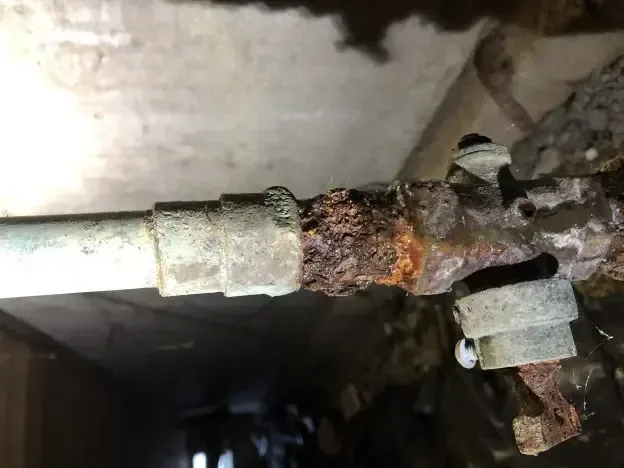 Burst Pipe Water DamageSupply pipes that split inside walls or ceilings, with the shutoff, flood cuts and drying handled in sequence.View service
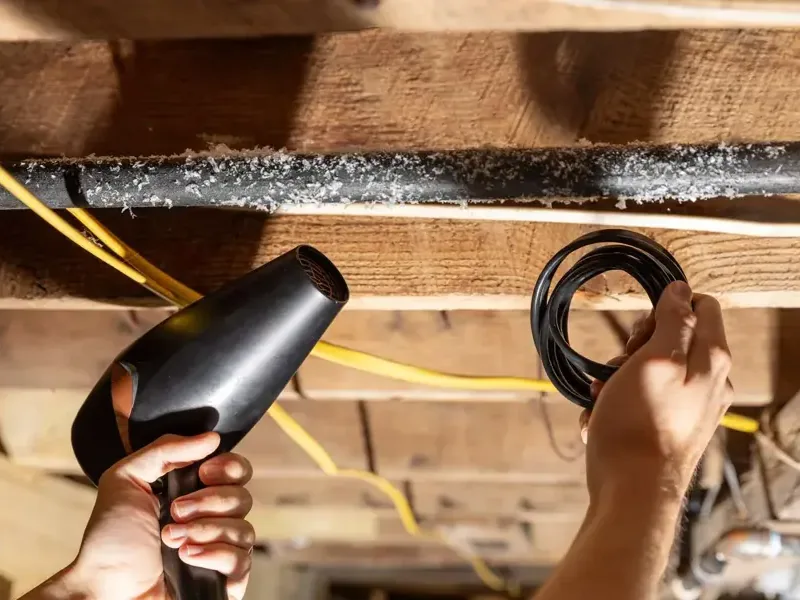 Frozen Pipe Water DamagePipes that split after a hard freeze, from the first thaw through insulation removal and drying of the cavity.View service
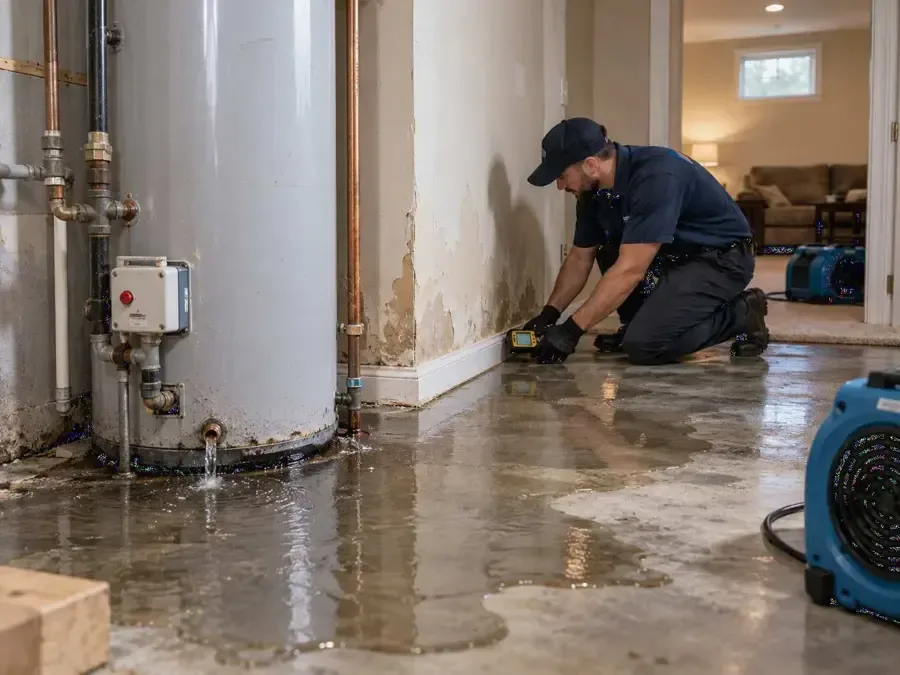 Water Heater Leak CleanupTank failures in garages, closets and attics, with slab, carpet and ceiling drying below the leak.View service
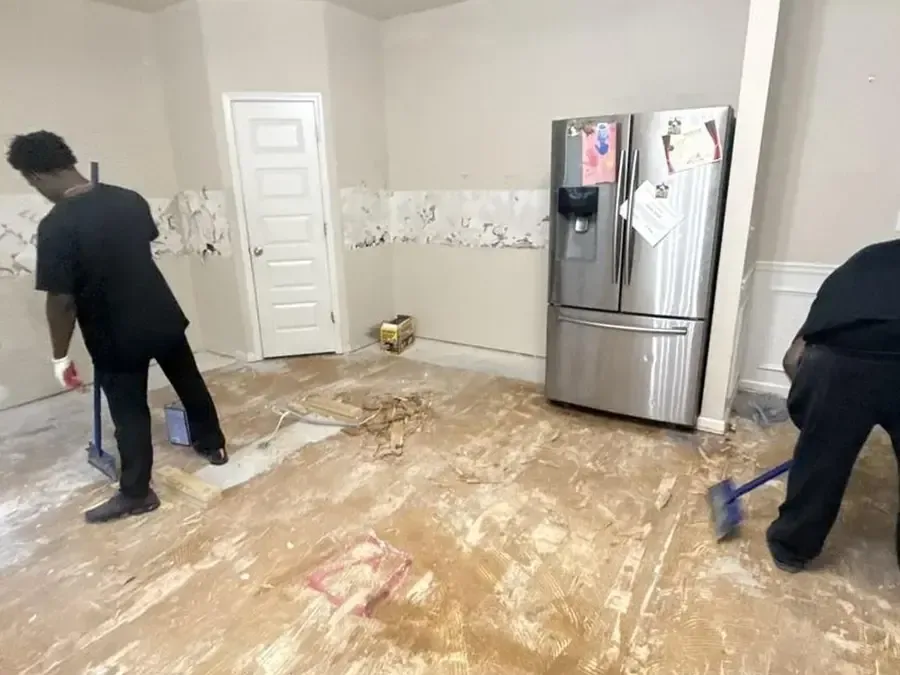 Washer and Appliance LeaksWasher, dishwasher and refrigerator leaks that soak subfloors and cabinets, sometimes reaching the room below.View service
From above
Roof leaks, ceiling stains and AC overflow pans send water down through insulation and drywall.
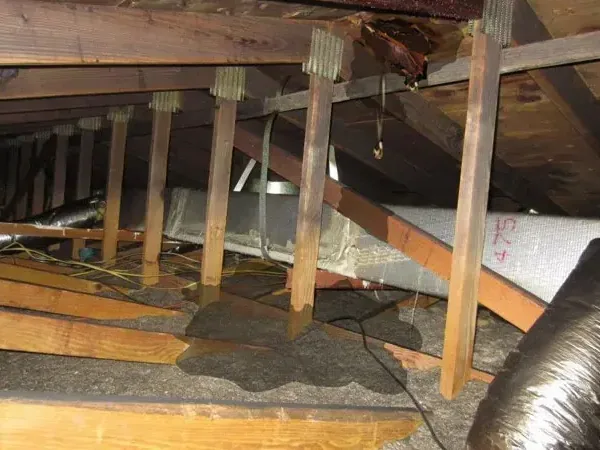 Roof Leak Water DamageRain that gets past shingles or flashing and soaks the attic, insulation and ceilings underneath.View service
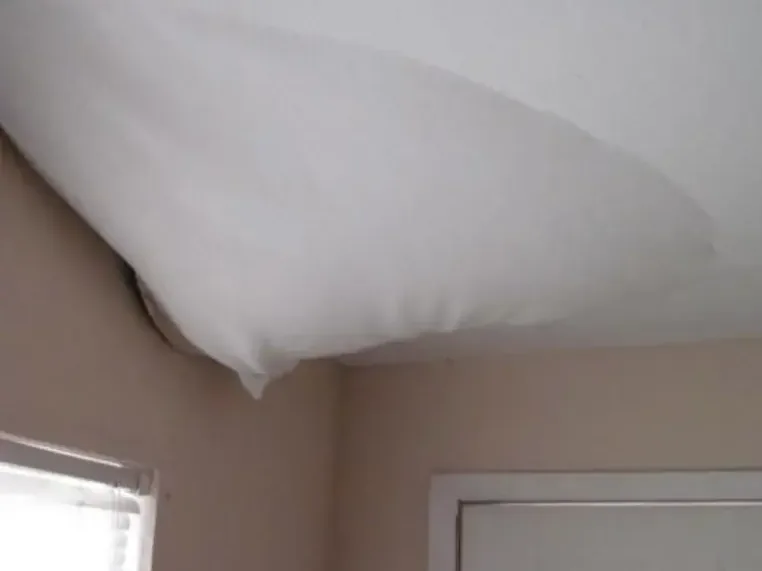 Ceiling Leak Water DamageSagging, stained or dripping ceilings traced to their source, opened where needed and dried.View service
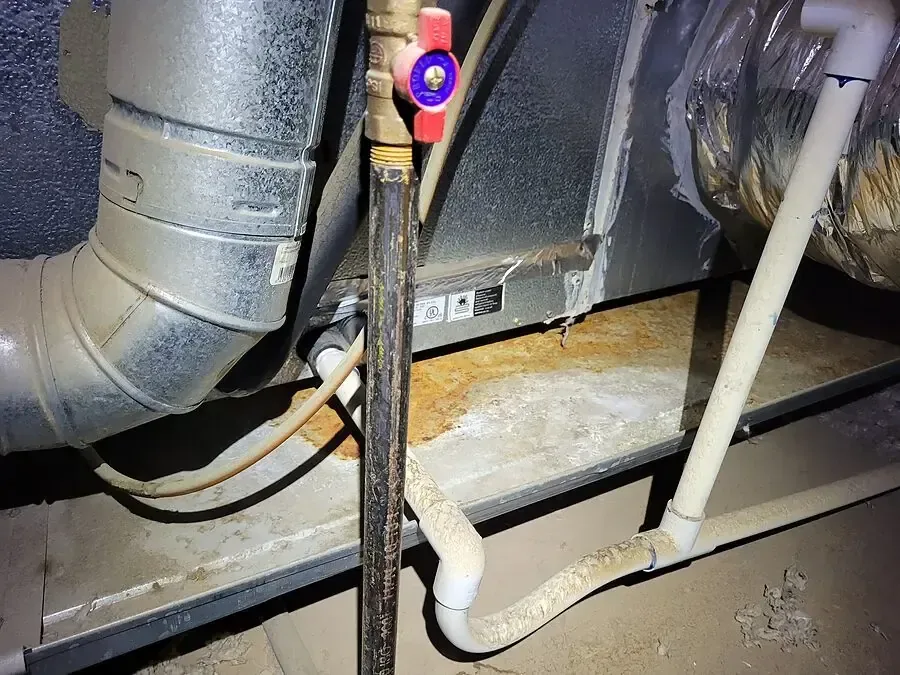 AC Condensate Leak Water DamageClogged drain pans and overflow drains that wet insulation, ceilings and the closet around the air handler.View service
From the ground side
Crawl spaces, storm runoff and rising creeks push water in from below the floor.
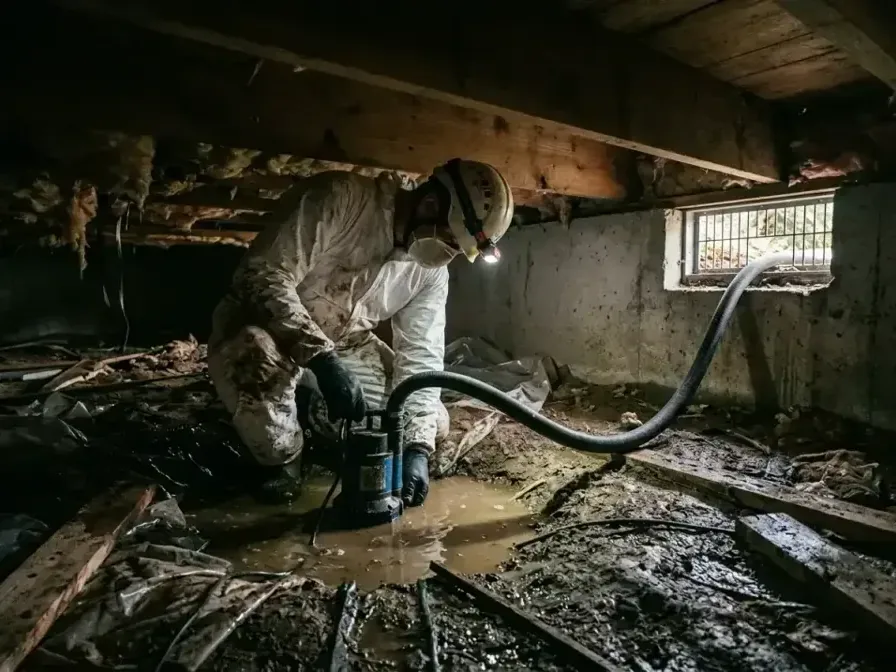 Crawl Space Water RemovalStanding water under the floor pumped out, wet insulation removed and joists dried.View service
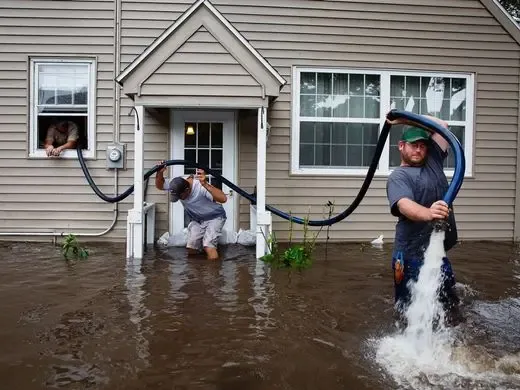 Storm and Flood Water CleanupCreek overflow and heavy storm runoff pumped out and cleaned with Category 3 protocols.View service
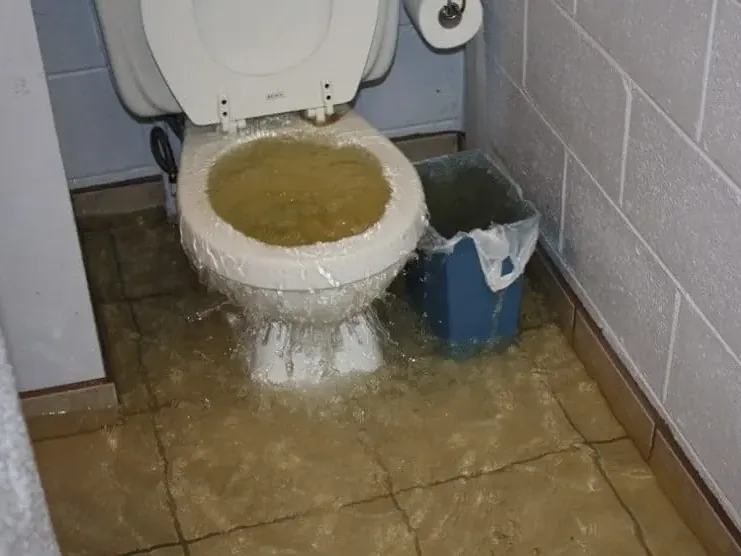 Sewage Backup CleanupBackups from toilets, tubs and floor drains, contained, removed and treated for contamination.View service
Drying it out
Extraction, air movers and dehumidifiers finish the job once the water is gone.
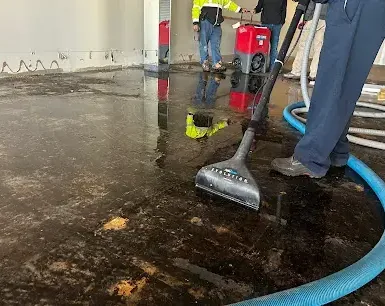 Water Extraction and RemovalTruck-mounted and portable pumps lifting standing water off carpet, hard floors and slabs.View service
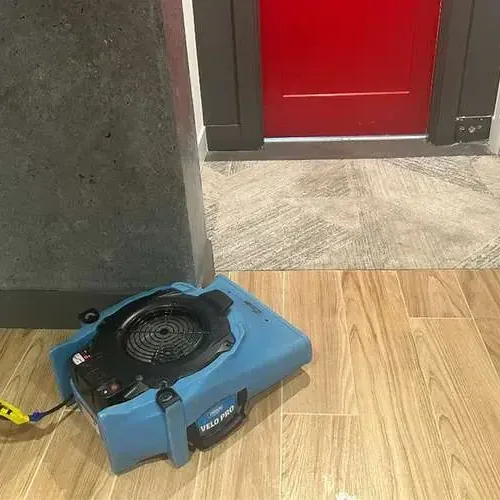
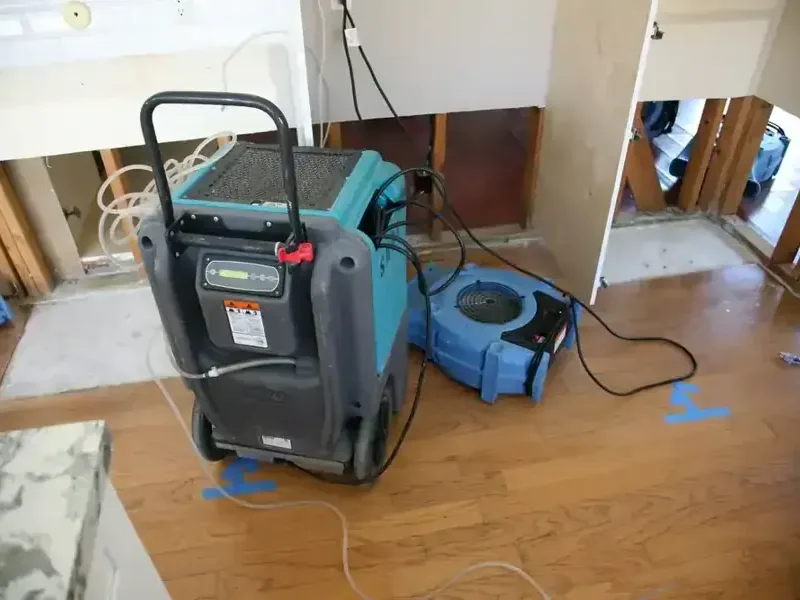 Structural Drying and DehumidificationAir movers, LGR dehumidifiers and daily readings until framing, subfloor and drywall reach dry standards.View service
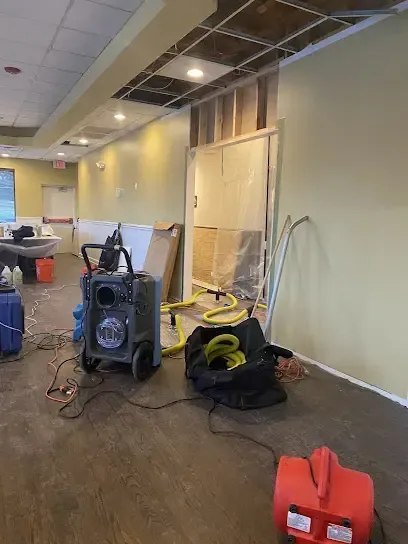
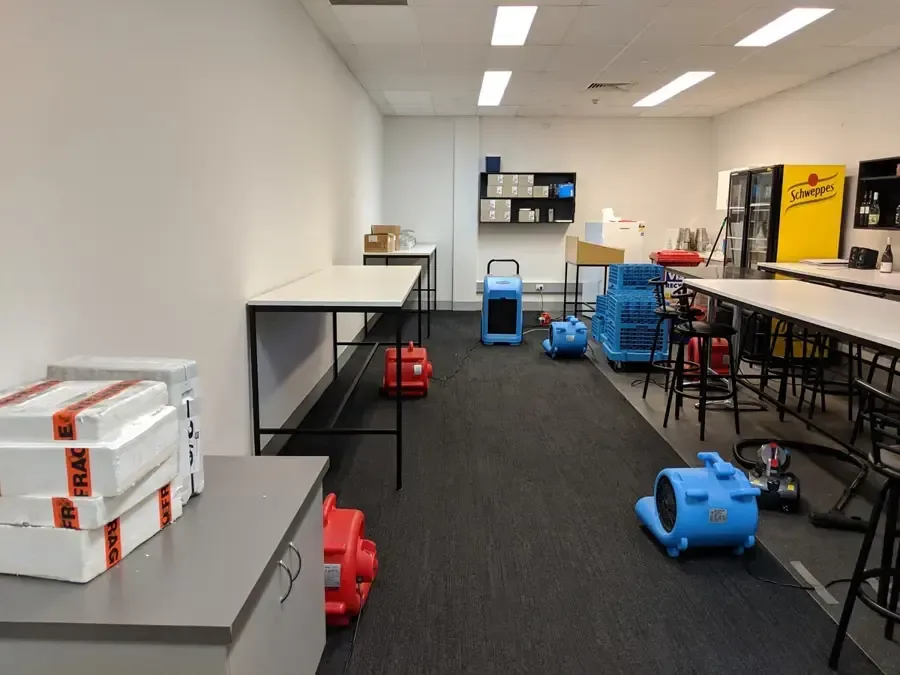 Commercial Water DamageOffices, shops and multi-unit buildings, with phased drying that lets a business keep working where it can.View service
Restoration that fits a college town's apartments, historic streets and creek valleys
Chapel Hill mixes student rentals, apartment communities, historic districts and village-style neighborhoods, and each one fails differently when water gets loose. The restoration team plans around that, so a ceiling leak from the unit above is handled differently from a tank failure in a single-family garage.
Records come first, so landlords, tenants and adjusters can all see what was wet and why. See how structural drying is measured.
Nights and weekends
Water does not wait for business hours, so dispatch runs around the clock every day of the week.
Landlord and tenant ready
Notes and photos are organized so a rental owner, a renter and an adjuster can follow the same story.
Readings you can see
Moisture numbers are logged daily and kept for the claim file.
Utility awareness
Crews know OWASA runs water and sewer service here, and flag meter and main questions for the utility.
A measured path from wet to dry
Every job follows the same four stages, and each stage leaves numbers on paper.
- 1
Map the moisture
A meter and a thermal camera trace the wet area past the visible stain, room by room, before any equipment is placed.
- 2
Pull out the water
Truck-mounted or portable extractors lift standing water, and soaked pad or insulation that cannot recover is removed.
- 3
Dry the structure
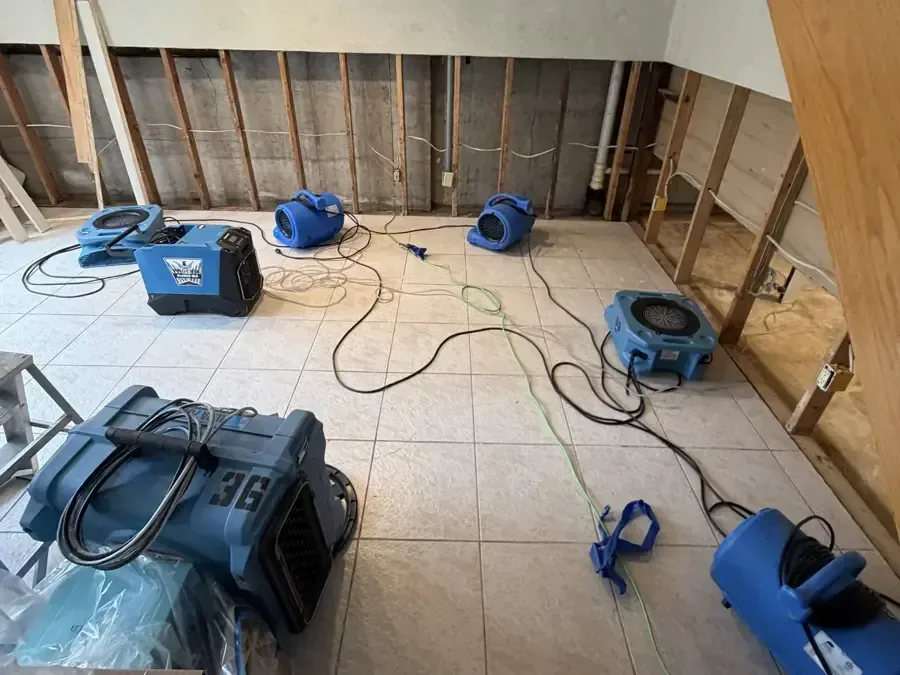
Air movers and LGR dehumidifiers are staged by room, with cavities opened where the readings stay high.
- 4
Confirm dry goals
Readings are compared with dry reference material, and equipment stays until framing and subfloor meet the target.
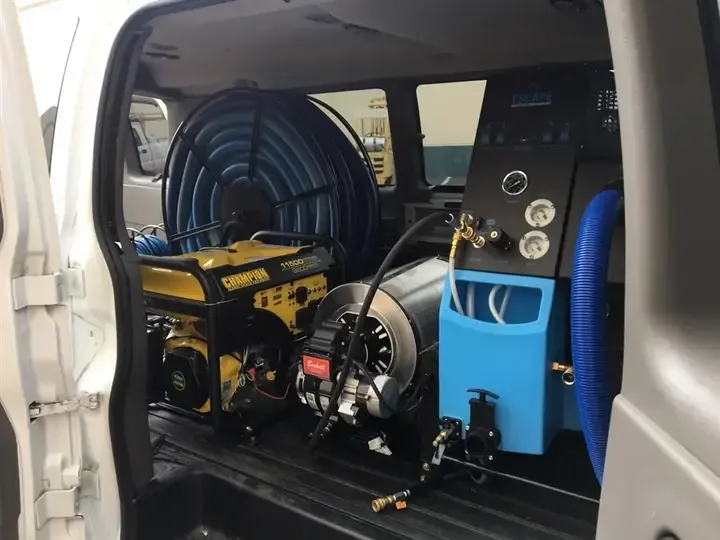
Equipment on the truck
- Truck-mounted extraction unit with a long hose reel for upper floors
- LGR dehumidifiers sized to the cubic volume of each room
- Air movers and wall cavity drying systems that push warm dry air behind baseboards
- Moisture meters, a thermal camera and a hygrometer for the daily log
What water damage restoration usually costs
Most jobs land between about $1,000 and $12,000, depending on how far the water spread, how long it sat and whether it was clean, gray or contaminated.
One area, caught early
$1,000 to $3,000- Water pumped out
- Floor dried where it lies
- Meter checks each visit
Several rooms or a floor
$3,000 to $7,000- Flooring and pad removed
- Lower walls opened
- LGR drying
Large or contaminated
$7,000 to $12,000+- Category 3 removal
- Containment and tear-out
- Full structural drying
Ranges reflect typical local jobs, and the real figure follows the moisture readings. The written scope is explained before the work begins.
Clean, gray or contaminated: why the category matters
Clean water
A split supply tube or a leaking tank starts clean, and quick extraction keeps it that way. Carpet and pad can often be dried in place instead of replaced.
Water extractionGray water
Washing machines, dishwashers and AC overflow carry soap or microbes. Porous materials near the leak are checked and often cut out.
Appliance leak cleanupBlack water
Sewage and creek flood water carry bacteria. Contaminated flooring, drywall and insulation come out, and the area is treated before drying begins.
Sewage backup cleanupWorking with your claim
Adjusters want proof of cause, scope and dryness. The drying team builds that file as the work moves.
- Dated photos of every wet area
- Moisture readings logged each visit
- Cause of loss noted in writing
- Itemized list of removed materials
- Equipment days and drying goals
Homeowner policies typically exclude flood damage, and a National Flood Insurance Program policy carries a 30-day waiting period on new coverage. Whether a loss is a burst pipe or flood water changes which policy applies, so the cause gets documented.
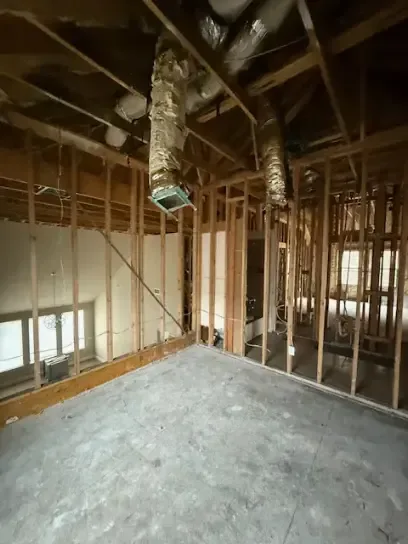
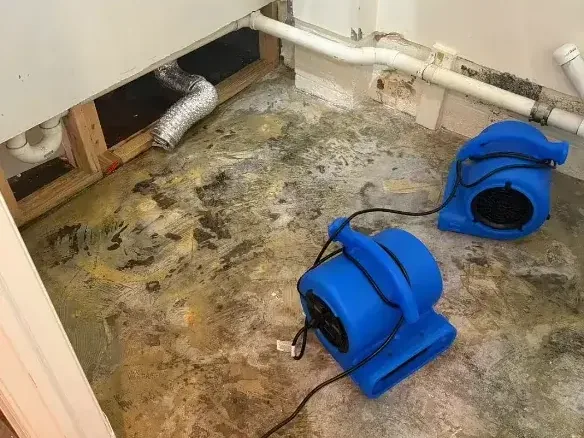
Equipment and scenes from water loss work
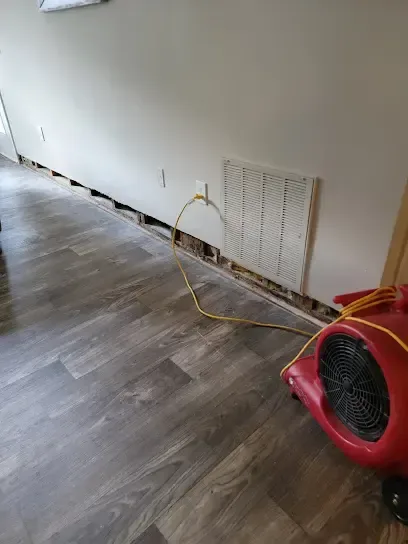
Chapel Hill neighborhoods and corridors covered
The restoration team works across town, from the university area and Franklin Street to creek-side neighborhoods and shopping centers.
ZIP codes covered
Addresses in these ZIP codes are covered, and a property just across a boundary can still ask whether service reaches it.
Historic districts
Neighborhoods
Apartments and shopping
Corridors
Chapel Hill water damage help, day or night
Describe the source of the water, the rooms it reached and whether the power is off. The team will explain the first steps, the equipment the job is likely to need and what the claim file should hold.
What drives water damage around Chapel Hill
Creeks, rental housing, hot summers and winter storms each leave a different kind of water loss in town.
Inside and under the house
- Renter-occupied households slightly outnumber owner-occupied ones, so a leaking supply tube or water heater can soak a shared wall or the unit below.
- Summer heat keeps air conditioners running for months, and a clogged condensate drain can overflow into ceilings and closets.
- Lowland soils in the Triassic Basin drain poorly, so water can linger around the low parts of a house after a storm.
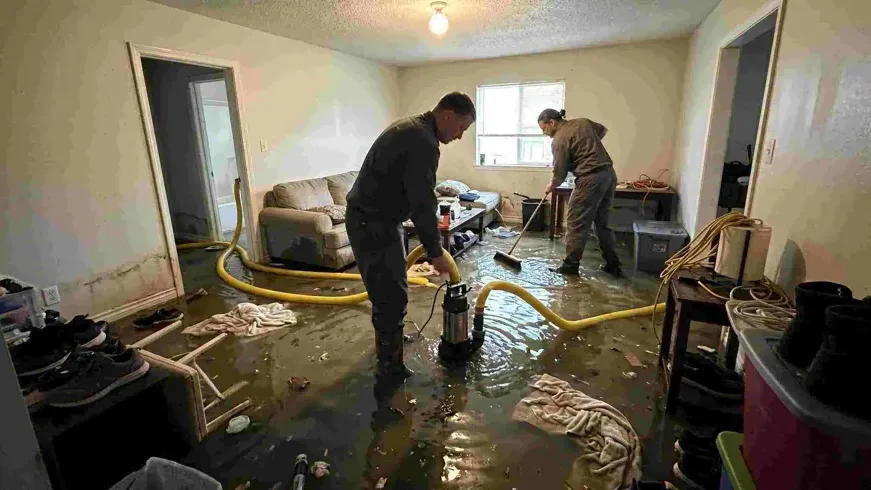
Storms, creeks and weather
- Morgan Creek, Bolin Creek and Booker Creek run through town, and stream valleys are prone to flash flooding in hard rain.
- Hurricane Florence flooding reached historic levels on September 17, 2018, and Tropical Storm Chantal pushed Booker Creek above 9 feet in July 2025.
- Winter adds its own trouble: heavy January snow in 2000 and the December 2002 ice storm that knocked out power and brought trees down.
Common water damage questions
What should be done first when water is spreading?
Shut off the water at the main valve or fixture stop, switch off power to wet rooms and move valuables to dry ground. Photograph everything before the restoration team begins removing materials.
How fast does water damage get worse?
Carpet pad and drywall start to break down in the first day or two, and mold becomes a risk soon after. That is why extraction and drying begin before the full scope is settled.
Does insurance cover a rental unit?
Burst pipes and appliance leaks are often covered, while flood water usually is not. A renter should check whether the landlord's policy or a renters policy applies, and keep photos and readings for both.
Who handles a sewage backup, the utility or a restoration crew?
OWASA runs the sewer system and asks customers to report an overflow or backup any time of day. The restoration team handles contaminated flooring and walls inside the house, while a plumber or the utility sorts out where the blockage sits.
Can a leaking water heater damage the unit below?
Yes. Water follows framing and drywall, so a tank failure in an upstairs closet can reach ceilings and walls below. Opening the ceiling and checking the floor above shows how far it traveled.
What happens when creek water gets into a lower level?
Standing water is pumped out first, then flooring, pad and wet drywall are removed because flood water is treated as contaminated. Surfaces are cleaned and treated before any drying equipment goes in.
How long does drying take?
Most jobs need several days of equipment time, and hardwood, thick framing or a long soak can stretch that. The equipment stays until the readings match dry reference material.
Is a commercial loss priced differently?
Yes. Commercial water damage is scoped by floor area, ceiling type and whether work has to happen after hours, so a small suite and a multi-suite sprinkler loss are very different projects.
Who authorizes the work in a rental?
The landlord or property manager usually decides on repairs, but a tenant can take emergency steps like shutting off water and calling for mitigation. Photos and notes protect both sides.
Why dry a floor that already feels dry?
Water hides in subfloor, wall cavities and insulation. A moisture meter and thermal camera find it, and finishing the drying cuts the odds of swelling, odors and mold.
What did Tropical Storm Chantal show about local flood risk?
After the July 2025 storm, 448 homes in Orange County were impacted and 96 businesses took on water. Creek flooding can arrive fast, and cleanup demand spikes when it does.
Water in a Chapel Hill house? Get the drying started.
The longer water sits, the deeper it travels into framing and flooring. The team starts with the source, then equipment, then readings that prove the job is done.