Sewage Backup Cleanup in Chapel Hill, NC
Sewage in a house is a health hazard from the start. The response team contains the area, removes what the water touched and treats every surface before drying begins.
(888) 578-4720Call about a sewage backup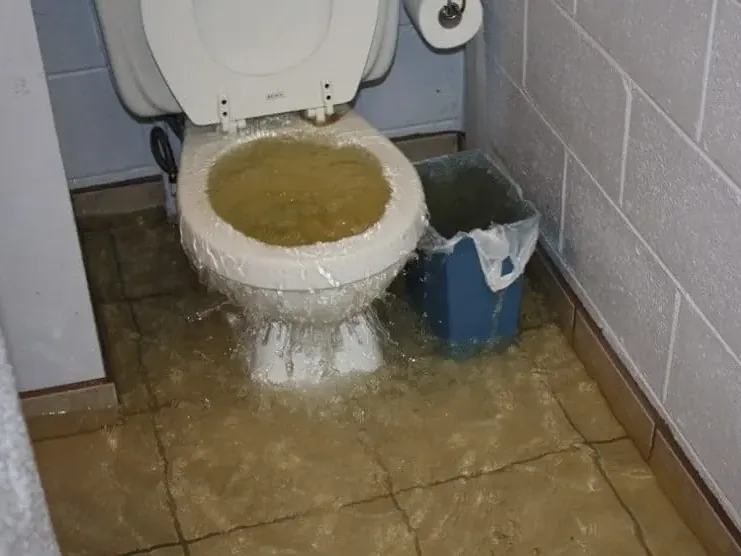
First steps for sewage backup cleanup
- 1
Keep everyone out
Keep children, pets and anyone vulnerable away from the area, and do not walk through it.
- 2
Stop using the drains
Avoid flushing and running water so nothing else is pushed into the house.
- 3
Report the overflow
If the backup may come from the street main, tell OWASA, and call a plumber for the blockage.
- 4
Call for cleanup
Skip the mop. The response team contains and removes Category 3 materials with protective gear.
Trade standards on this job
- Containment set before any contaminated material is moved or bagged
- Contaminated flooring and drywall removed and bagged
- Surfaces treated and cleared with readings
What does sewage backup cleanup cost in Chapel Hill, NC?
Sewage cleanup usually runs $2,000 to $12,000 or more. One bathroom is the low end, while several rooms or a spread into a crawl space, with extended containment, moves toward the top.
A single bathroom
$2,000 to $4,000- Plastic containment
- Flooring and baseboards removed
- Antimicrobial treatment
Several rooms
$4,000 to $8,000- Carpet, pad and drywall cut out
- HEPA air scrubbing
- Structural drying
Large spread or crawl space
$8,000 to $12,000+- Crawl space cleanup
- Extended containment
- Clearance checks
Ranges are typical, not a quote: the water category, the square footage, the materials and how fast drying started move the number most. Try the water damage cost calculator for a closer planning range.
How sewage backup cleanup is handled, start to finish
Measure first, remove the water, dry, then prove it dry with readings. The order does not change.
(888) 578-4720See how containment works- 1
Isolate the area
Plastic sheeting and negative air keep the contamination in one zone.
- 2
Remove the contaminated
Flooring, pad and drywall the water touched are cut out and bagged.
- 3
Clean and treat
Hard surfaces are scrubbed and treated with antimicrobial products.
- 4
Dry and verify
Air movers and dehumidifiers run until readings clear.
Sewage is Category 3 water, which means it carries bacteria and viruses that make cleanup a hygiene job as much as a drying one. Porous materials it touched are removed, not cleaned and kept.
Who handles what
OWASA runs the sewer system and treats sewage at the Mason Farm Wastewater Treatment Plant, and it asks customers to report an overflow or backup any time of day. Inside the house, the restoration team handles the contaminated materials, while a plumber or the utility sorts out where the blockage sits.
Sewage damage is also a records problem. A plumber's note about the blockage, photos of the affected rooms and a list of removed materials give an adjuster the cause and the scope in one packet.
- Toilets, tubs and floor drains are the usual entry points
- Carpet, pad and low drywall are removed and bagged
- Hard surfaces are cleaned and treated
- Air scrubbers keep airborne particles down during the work
Why protection matters
Contaminated water wicks into drywall, baseboards and subfloor, so children, pets and anyone with health concerns should stay away from the area. Crews use protective equipment and set plastic containment so the rest of the home stays clear. Odors do not prove cleanliness, so the team relies on removal, treatment and readings rather than smell. Treated surfaces are allowed to dry, and the crew checks that no wet porous material is left behind.
Drying after the cleanup
Once the contaminated materials are out and the surfaces are treated, the structure is dried like any other water loss, and standing sewage water is pumped first, much like water extraction. Readings confirm that framing and subfloor are dry. Water that carried sewage in from outside is covered under storm and flood cleanup.
Sewage backup cleanup across Chapel Hill and nearby
Sewage backup cleanup covers homes, rentals and apartment buildings across Chapel Hill, including the neighborhoods around Franklin Street and Rosemary Street, Northside, Pine Knolls, Southern Village and Meadowmont Village, wherever a toilet, tub or floor drain backs up.
The same service nearby: sewage backup cleanup in Holly Springs, Morrisville, Apex.
Water damage restoration in Chapel Hill · every town covered
Sewage Backup Cleanup: common questions
Is a sewage backup an emergency?
Yes. It carries bacteria and viruses, so the area is kept clear of people and pets until the contaminated materials are out and surfaces are treated.
Who gets the call, the utility or a cleanup crew?
OWASA takes overflow and backup reports any time of day, and a plumber finds the blockage. The restoration team handles the contaminated materials inside the house.
Can carpet be cleaned after sewage?
Usually not. Carpet and pad that sewage touched are removed, while hard surfaces are cleaned and treated.
Does insurance cover sewage backups?
Many policies exclude backups unless an endorsement is added. Photos, readings and the plumber's findings help the adjuster understand the cause.
Why are air scrubbers used?
HEPA air scrubbers capture airborne particles while contaminated material is disturbed, which helps keep the rest of the house cleaner.
Sewage backup in Chapel Hill?
Contaminated water keeps spreading into porous materials until it is removed. The response team contains the area, removes what the sewage touched and treats every surface.