Burst Pipe Water Damage in Holly Springs, NC
A supply pipe under pressure can put out several gallons a minute until the main is closed. The mitigation team extracts it, opens the wet wall or ceiling and dries the cavity to a measured goal.
(888) 578-4720Pipe let go inside a wall? Call now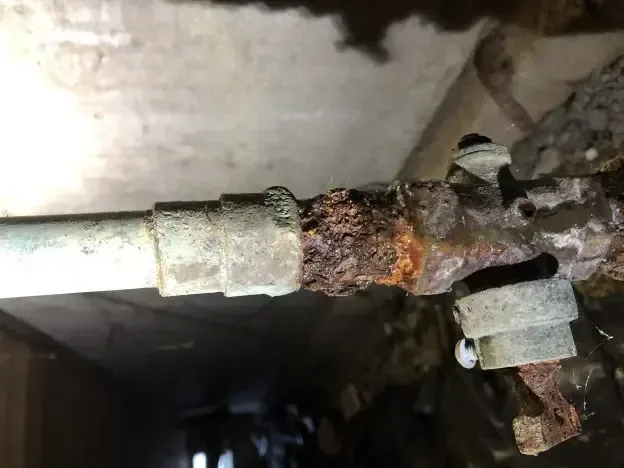
First steps for burst pipe water damage
- 1
Close the main
Shut the main valve; in most homes it sits in the garage, a utility closet or near the water heater.
- 2
Open a faucet low
Open a downstairs faucet to drain the pressure out of the pipes.
- 3
Watch the ceiling
A bulging ceiling holds water; keep clear of it and set a bucket under any drip.
- 4
Photograph the leak
Take photos of the leak point, the stains and the wet floors for the claim.
Trade standards on this job
- Walls are opened only where meters say they are wet.
- Wet insulation inside a cavity comes out; it does not dry in place.
- Drying ends at a dry reference reading, not a set day.
What does burst pipe water damage cost in Holly Springs, NC?
Burst pipe water damage cleanup here typically runs $1,500 to $10,000, depending on how long the pipe ran, how many rooms and floors it reached and how much drywall, insulation and flooring must come out. The plumbing repair is separate.
Caught early, one room
$1,500 to $3,500- Extraction and drying in place
- Baseboards off
- Daily readings
Into walls or the ceiling below
$3,500 to $7,000- Flood cuts and insulation out
- Ceiling drywall opened
- LGR dehumidifiers
Ran for hours, two floors
$7,000 to $10,000+- Cabinets and flooring affected
- Containment
- Extended monitoring
Ranges are typical, not a quote: the water category, the square footage, the materials and how fast drying started move the number most. Try the water damage cost calculator for a closer planning range.
How burst pipe water damage is handled, start to finish
Measure first, remove the water, dry, then prove it dry with readings. The order does not change.
(888) 578-4720Book the cavity drying- 1
Trace the water
Thermal imaging and meters follow the leak through ceilings and walls.
- 2
Extract and open up
Standing water out, then flood cuts or cavity holes where readings call for them.
- 3
Dry the cavities
Air movers, cavity drying and LGR dehumidifiers work on the framing.
- 4
Verify dry
Studs, plates and subfloor read dry before anything is closed up.
Most homes here were plumbed with CPVC or PEX, and some built before the late 1990s still carry gray polybutylene pipe. Each fails in its own way: CPVC turns brittle with age and cracks near fittings, PEX tends to fail at crimp rings and fittings, and polybutylene is known for failing at its joints. When one lets go behind drywall, the leak can run for hours before a stain shows.
Finding where the water went
Water from a burst pipe follows gravity and the framing. From a second-floor bath it travels along joists, soaks the ceiling below and runs down into the wall cavities of the first floor. The tech who does the walkthrough follows it with thermal imaging and pinless meters, so walls are opened only where readings say they are wet.
- Ceilings below upstairs baths and laundry rooms
- Wall bottoms and the insulation inside the cavity
- Kitchen cabinets, toe kicks and the subfloor under them
Opening and drying the wall
Drywall soaked with clean water can often stay, dried with wall cavity drying that pushes air into the cavity through small holes. When it has swelled or sagged, or the insulation behind it is soaked, the mitigation team makes a flood cut a little above the wet height, pulls the wet insulation and dries the studs and plates. Read more on structural drying.
The pipe repair belongs to a plumber. Splits caused by cold get their own page, frozen pipe water damage, because a freeze often damages more than one spot.
Before the next one
Knowing where the main shutoff is limits a burst-pipe loss more than anything else. The EPA WaterSense leak tips cover reading the meter for hidden leaks, and homes still on polybutylene are worth a plumber's look. The North Carolina Department of Insurance explains how homeowners claims work. For a planning number, try the water damage cost calculator.
Burst pipe water damage across Holly Springs and nearby
The restoration team covers ZIP 27540 end to end: downtown and Main Street, Sunset Ridge, 12 Oaks, Holly Glen, Woodcreek, Arbor Creek and the homes along Avent Ferry Road, Sunset Lake Road and the NC 55 Bypass.
Nearby coverage reaches Apex, Fuquay-Varina, Cary, New Hill, Willow Spring, Garner, Morrisville.
Burst Pipe Water Damage: common questions
Why did my pipe burst when it was not freezing?
Age, water pressure and fittings. CPVC grows brittle, PEX can fail at crimp fittings and polybutylene is known for failing at its joints. High household pressure speeds all of it up.
Does the drywall have to come out?
Not always. Drywall wet with clean water is often dried in place. It comes out when it has swelled or sagged, when the insulation behind it is soaked or when readings stay high.
Can the ceiling be saved after a leak from upstairs?
Small wet spots often dry in place. A ceiling that sags or holds water is opened, because it can drop and the insulation above it is usually soaked.
How long does drying take after a burst pipe?
Usually three to six days. Hardwood, cabinets and two wet floors take longer, and equipment stays until readings say dry.
Who fixes the pipe?
A plumber repairs the pipe. The restoration team handles the water damage: extraction, removal of ruined materials, drying and documentation.
Is a burst pipe covered by insurance?
Sudden and accidental water from a burst pipe is commonly covered after the deductible, while slow leaks over time often are not. Coverage depends on your policy, so check with your own insurer.
Pipe burst? Close the main, then call.
Water inside a wall keeps moving long after the pipe is shut off. The drying team finds it and dries the cavity, 24/7.