Burst Pipe Water Damage in Sanford, NC
A split supply pipe can soak a floor, the cabinets and the ceiling below in a short time. The extraction crew removes the water and dries the cavities the leak reached before the repair is closed up.
(888) 578-4720Pipe leaking inside? Call the drying team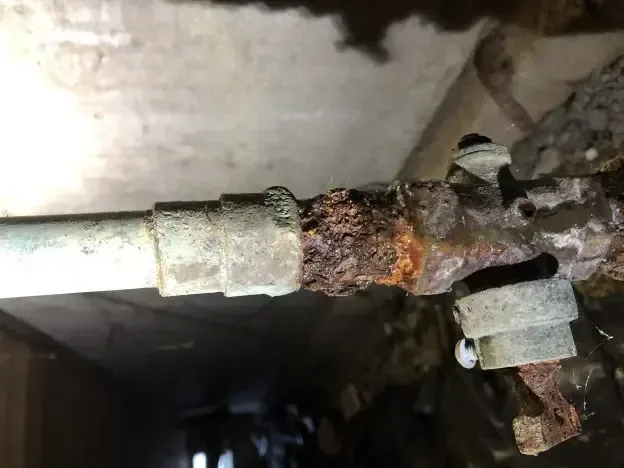
First steps for burst pipe water damage
- 1
Shut the main
Close the main water valve, then open a faucet at the lowest point of the house to drain the pipes.
- 2
Cut the power
Switch off breakers for wet rooms and stay away from soaked outlets and ceiling fixtures.
- 3
Slow the spread
Mop what can be reached, set towels along baseboards and move furniture off wet flooring.
- 4
Photograph it all
Record the pipe, the wet rooms and any sagging ceiling before anything is moved.
Trade standards on this job
- Flood cuts follow the moisture meter instead of a guess
- The ceiling below is opened when its drywall reads wet
- Soaked insulation is bagged and carried out of every cavity
What does burst pipe water damage cost in Sanford, NC?
Costs here usually run $1,500 to $10,000+, shaped by how long the pipe ran, how many rooms and floors were wet, and whether cabinets, flooring or the ceiling below have to come out.
Found quickly, one room
$1,500 to $3,500- Water extracted, floor dried
- Baseboards pulled
- Meter readings every day
Into walls or the ceiling below
$3,500 to $7,000- Flood cuts, wet insulation out
- Ceiling drywall opened
- LGR dehumidifiers running
Ran for hours across two floors
$7,000 to $10,000+- Cabinets and flooring affected
- Containment barriers
- Longer monitoring
Ranges are typical, not a quote: the water category, the square footage, the materials and how fast drying started move the number most. Try the water damage cost calculator for a closer planning range.
How burst pipe water damage is handled, start to finish
Measure first, remove the water, dry, then prove it dry with readings. The order does not change.
(888) 578-4720Plan the wall drying- 1
Trace the leak
A meter and a thermal camera follow the water through floors, walls and ceilings.
- 2
Extract the water
Pumps and extractors lift standing water, and soaked pad comes out.
- 3
Open the cavities
Flood cuts and ceiling openings release trapped moisture to the air.
- 4
Dry and verify
Air movers and dehumidifiers run until daily readings match each dry goal.
A burst pipe keeps pushing clean water into the house until the main valve is closed, and the damage rarely stays where the pipe let go. The restoration team starts by tracing the path the water took through floors, walls and the ceiling below. That path decides where the drywall comes off and where the dryers go.
What the leak reaches first
Water follows gravity and the framing. It runs down the inside of the wall, spreads across the subfloor and shows up as a stain, a bubble or a soft baseboard in the room next door.
- Insulation inside the wall soaks up water and holds it against the drywall.
- Baseboards and trim wick moisture upward from the floor.
- Cabinet bases and toe kicks trap water behind the face frame.
- Ceiling drywall below the leak softens, sags and can drop once the paper is saturated.
Opening only what is wet
Moisture meters and a thermal camera show the wet edge, so cuts follow the water instead of a guess. A flood cut a few inches up a wall removes the soaked drywall and lets the cavity air out, while dry sections stay in place and keep the rebuild smaller.
Standing water comes out first through water extraction, and wet insulation always follows. Wet hardwood and laminate are checked board by board, because boards that have only started to cup can sometimes be saved with drying mats.
After the pipe is repaired
A plumber repairs the pipe, and the drying team handles everything the water touched. Photos of the failed section, the wet rooms and the moisture readings go into the claim record, and permit applications for the rebuild go through the CSS Portal.
Equipment stays until every wet material reaches its dry goal, following the plan described under structural drying.
Burst pipe water damage across Sanford and nearby
Burst pipe losses are worked across the city, from downtown near Depot Park to Jonesboro Heights and St. Andrews, and along corridors such as Carthage Street and Wicker Street, with the ceiling and wall checks done at each address.
The same service nearby: burst pipe water damage in Holly Springs, Apex, Morrisville.
Burst Pipe Water Damage: common questions
How fast does a burst pipe cause damage?
Water begins soaking drywall, insulation and subfloor the moment the pipe opens, and it keeps going until the main is closed.
Where should the water be shut off?
At the main valve, usually near the meter or where the supply enters the house. Closing it stops the flow so the extraction crew can start.
Do the walls always have to be opened?
Not always. A small leak caught early can dry in place, but moisture trapped behind baseboards or cabinets usually calls for a flood cut or removable panels.
Will the ceiling below need replacing?
If the drywall is still firm and reads dry after drying, it can stay. Sagging or stained paper-faced board is cut out because it will not recover.
Is a burst pipe covered by insurance?
Sudden breaks are commonly covered, though the policy decides, and the failed pipe itself is usually the owner's repair. Keep the damaged section for the adjuster.
How long do the dryers run?
Usually several days. Readings from each wet material show when it reaches its dry goal, and the equipment leaves only then.
Water is still spreading from the pipe?
A broken pipe keeps wetting the structure until it is dried. The drying team extracts the water, opens what stayed wet and runs the dehumidifiers until the readings are right.