Storm and Flood Water Cleanup in Garner, NC
Heavy rain and rising creeks can push water into garages and living areas. The extraction crew pumps it out, removes what it soaked and treats and dries the structure.
(888) 578-4720Call about storm water inside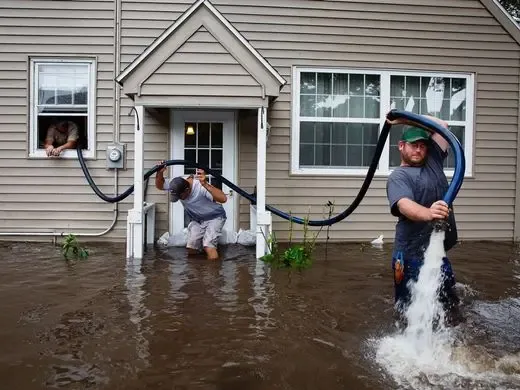
First steps for storm and flood water cleanup
- 1
Stay out of the water
Floodwater can hide debris and live wiring, so keep out until the power is off and the depth is clear.
- 2
Shut off the power
Have an electrician turn off or check circuits in flooded rooms before anything is plugged back in.
- 3
Photograph the waterline
Capture water levels, soaked contents and any damage before cleanup begins.
- 4
Call for pump-out
Call the extraction crew and the insurer, and keep receipts for any temporary help.
Trade standards on this job
- Creek or storm water is always handled as contaminated
- Porous materials are removed, not dried
- Flood and homeowner claims need separate paperwork
What does storm and flood water cleanup cost in Garner, NC?
Storm and flood jobs here usually run $3,000 to $20,000 or more, with a wet garage at the low end and a whole first floor of contaminated water at the high end, and drying time adding to either.
One room or a garage
$3,000 to $6,000- Pumping and extraction
- Wet drywall cut out
- Surfaces treated
Several rooms affected
$6,000 to $12,000- Carpet and pad removed
- Wall cavities opened
- Containment set up
The whole first floor
$12,000 to $20,000+- Full contaminated cleanup
- Desiccant dehumidifiers
- Longer monitoring
Ranges are typical, not a quote: the water category, the square footage, the materials and how fast drying started move the number most. Try the water damage cost calculator for a closer planning range.
How storm and flood water cleanup is handled, start to finish
Measure first, remove the water, dry, then prove it dry with readings. The order does not change.
(888) 578-4720See the flood cleanup plan- 1
Pump it out
Submersible pumps and truck-mounted units remove the standing water.
- 2
Remove porous materials
Carpet, pad, insulation and wet drywall come out and are bagged.
- 3
Clean and treat
Framing and hard surfaces are scrubbed and treated with an antimicrobial.
- 4
Dry and clear
Equipment runs until readings reach the dry goal for each material.
Swift Creek feeds Lake Benson, Mahlers Creek runs near New Bethel Church Road, and the Wake County hazard plan puts about 7.3 percent of Garner's land in the mapped 100-year floodplain. Floodwater that gets into a house is treated as contaminated.
What the records say about local flooding
A flash flood was recorded on June 11, 2006 with no damage reported, and the county plan says flooding and flood losses also occur outside mapped flood zones. As of December 2013, the National Flood Insurance Program had paid $107,854 for 18 flood losses in Garner, counting from 1978.
- Carpet and pad that sat in contaminated water
- Drywall and insulation that wicked above the waterline
- Cabinet bases and baseboards that cannot be cleaned
- Stored cardboard, fabric and other porous belongings
Pumping, flood cuts and treatment
Pumps and extraction units clear the standing water, then wall bottoms are cut open above the waterline so the cavities can be cleaned and dried. The framing and any hard surfaces are scrubbed and treated with an antimicrobial before drying equipment goes in.
Large losses use containment and desiccant dehumidifiers, and readings continue until the framing reaches the dry goal. See crawl space water removal when the water settled under the floor. Sewage mixed into the water follows the steps in sewage backup cleanup.
Flood insurance and the claim
Rising water is usually handled under a separate flood policy rather than a standard homeowner policy, and Garner has taken part in the National Flood Insurance Program since July 3, 1978. Dated photos of the waterline, readings and an itemized scope go to the adjuster.
Storm and flood water cleanup across Garner and nearby
Storm water work covers homes and shops across the town, including the Lake Benson area, Adams Point, Meadowbrook and Chadbourne, and garages and ground-floor suites along U.S. 70 and Timber Drive, within ZIP 27529.
The same service nearby: storm and flood water cleanup in Holly Springs, Apex, Morrisville.
Storm and Flood Water Cleanup: common questions
Is storm water safe to clean up alone?
No. Flood and creek water carries bacteria and debris, so protective gear, removal of porous materials and treatment are part of the work.
Does homeowner insurance cover flooding?
Usually not for rising water. Flood damage normally needs a separate flood policy, and the adjuster can say what the policy covers.
How high up the wall does the cleanup go?
Flood cuts are made above the waterline, and meters decide how far the wicking went, so the height is set by readings, not guesses.
Can carpet be saved after a flood?
Not when the water was contaminated. Carpet and pad that sat in storm or creek water are removed and replaced.
Why do mapped floodplains not tell the whole story?
The county plan notes that flooding also occurs outside mapped flood zones, so a home outside the map can still take on water.
How long does drying take after a flood?
Several days to a week or more for a large loss, with desiccant dehumidifiers on bigger jobs and readings deciding the finish.
Storm water inside the house
Tell the crew where the water came from and how deep it got, and the extraction crew will plan the pump-out, the removal and the drying.